Edible Hedges Offer Both Privacy and Homegrown Fruit
A living fence that delivers privacy along with fresh fruit rewards homeowners who value both function and productivity. Edible hedges fulfill the same boundary roles as conventional shrubs while adding blooms, pollinator support, and seasonal harvests. Whether the goal is screening a property line, buffering wind, or defining garden rooms, these plantings combine utility with tangible yields.
Defining an Edible Hedge
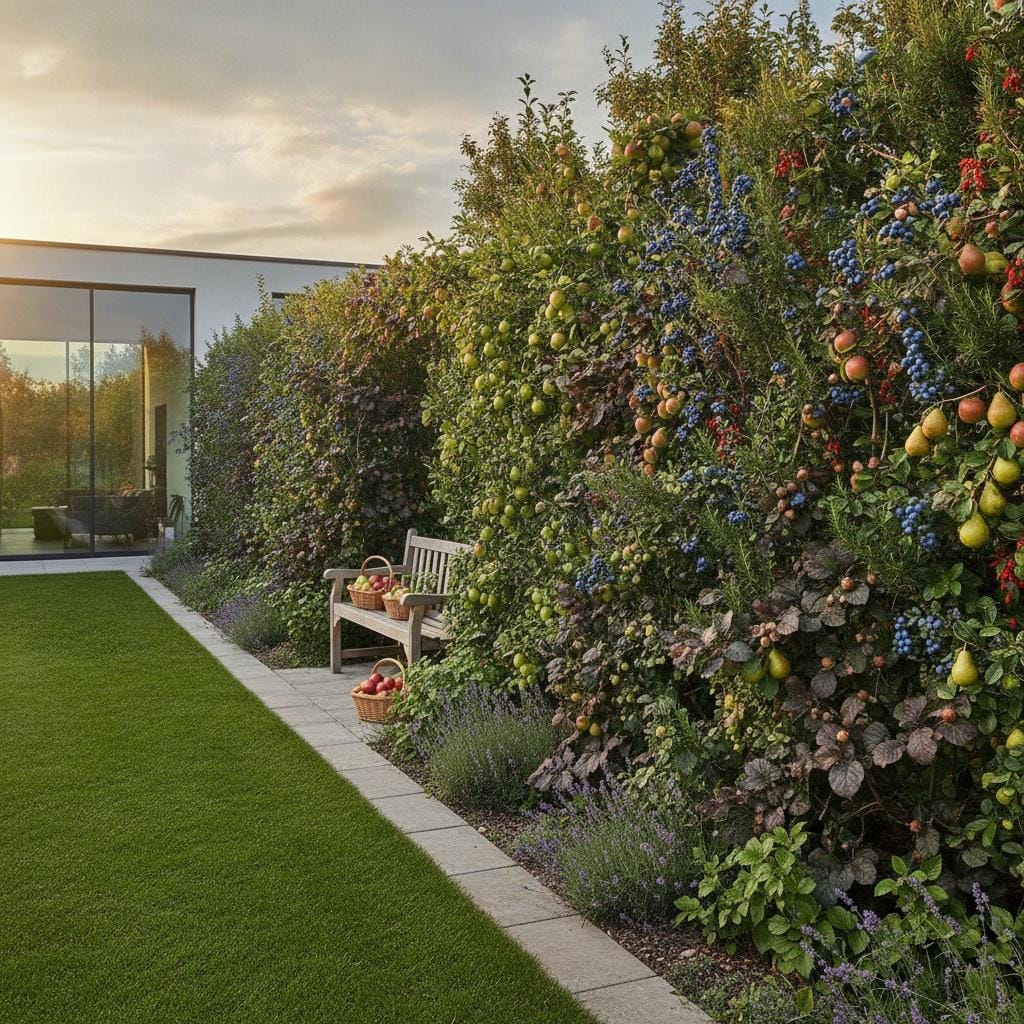
An edible hedge consists of fruit-bearing shrubs or small trees set in a continuous row and maintained at a consistent height and width. Plants receive the same shearing and shaping applied to ornamental hedges, yet they also flower, draw beneficial insects, and set fruit. Some gardeners select one variety for a uniform appearance, while others combine species to stagger bloom times and extend the harvest window.
Advantages Over Traditional Shrubs
Edible hedges perform every task of a conventional screen and supply additional returns. They reduce grocery expenses through homegrown produce, support local pollinators, and make efficient use of garden space. Seasonal changes in foliage and fruit add visual interest throughout the year without requiring separate ornamental beds.
Recommended Plants for Productive Screens
Plant choice depends on regional climate, soil type, and desired height. The following options perform reliably across many landscapes.
Blueberries
Highbush and rabbiteye blueberries form dense, medium-height hedges three to six feet tall. They require acidic soil and at least six hours of direct sun. After two to three establishment seasons, each mature plant yields several pounds of berries annually when spaced three to four feet apart.
Currants and Gooseberries
Compact currant and gooseberry bushes suit low borders or partial-shade locations. They reach three to five feet, tolerate light shade, and respond well to annual pruning that maintains density. Fruit ripens early and suits fresh eating or preserves.
Serviceberries
Serviceberries grow as large shrubs or small trees up to ten feet tall. White spring flowers precede purple fruit with a flavor reminiscent of blueberry and almond. Full sun and average garden soil produce reliable crops and effective privacy screens when plants are spaced four to six feet apart.
Raspberries and Blackberries
Thorny brambles create formidable barriers that also supply abundant summer fruit. Thornless cultivars reduce maintenance. Containment with root barriers or regular removal of runners prevents unwanted spread.
Bush Cherries and Plums
Dwarf cherries and plums reach six to eight feet and form solid screens when planted four to five feet apart. Showy spring blossoms precede summer fruit suitable for fresh use or baking. Netting protects ripening crops from birds.
Figs
In warmer regions, figs pruned into hedges produce broad foliage and sweet fruit on new wood. Full sun and moderate water keep plants compact after post-harvest trimming.
Site Preparation and Spacing
Measure the intended length and determine target height before purchasing plants. Loosen soil to twelve inches, remove weeds, and incorporate compost. Adjust pH for blueberries with elemental sulfur if needed. Mulch with wood chips or pine needles to conserve moisture and suppress weeds.
Ongoing Care
Prune in late winter or early spring to remove weak wood and encourage fruiting stems. Water deeply during the first two seasons and during extended dry periods thereafter. Light spring fertilization with compost or balanced organic fertilizer sustains growth and production.
Weighing Maintenance Requirements
Edible hedges require seasonal pruning, harvesting, and occasional pest monitoring. Fallen fruit needs prompt cleanup to avoid staining or attracting insects. Proper variety selection and protective netting minimize most drawbacks while preserving the benefits of privacy, beauty, and fresh produce.
Seasonal Maintenance Calendar
Spring tasks include pruning, fertilizing, and mulching. Summer focuses on consistent watering and timely harvest. Fall cleanup and compost application prepare plants for dormancy. Winter protection with burlap helps young shrubs in exposed sites.
Integrating Form and Function
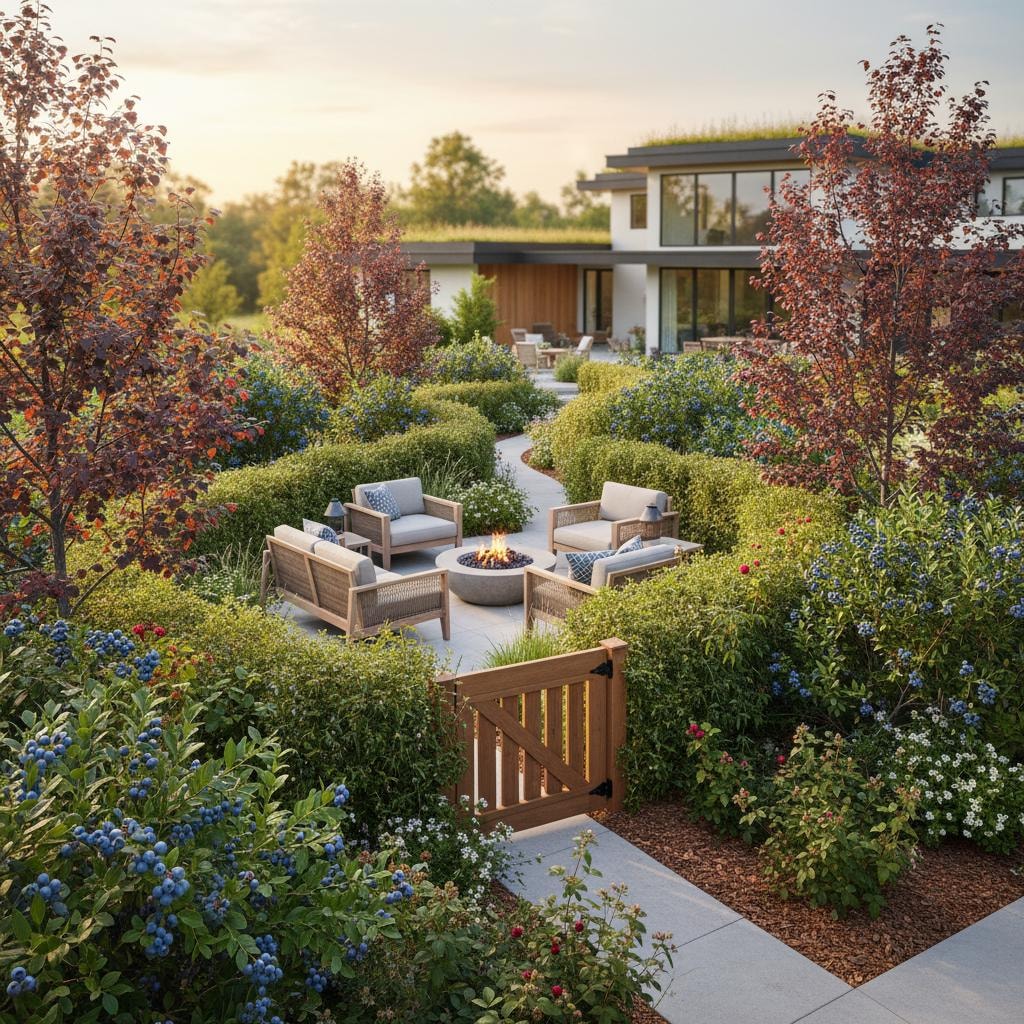
Straight rows of uniformly pruned blueberries suit formal designs, while mixed plantings of currants, raspberries, and serviceberries soften cottage gardens. Combining deciduous edibles with evergreen companions ensures year-round coverage and visual balance.
Long-Term Landscape Value
Well-managed edible hedges improve property appeal and demonstrate purposeful landscaping. They reduce wind, buffer noise, shelter beneficial insects, and supply fresh fruit season after season.