Why Edible Landscaping is Revolutionizing Front Yards
Homeowners increasingly view front yards as opportunities for productivity rather than mere decoration. Edible landscaping integrates the elegance of ornamental gardening with the utility of growing fruits, vegetables, and herbs. This method redefines curb appeal by harmonizing visual charm with practical yields, appealing to those who seek both form and function in their outdoor spaces.
Defining Edible Landscaping
Edible landscaping, also known as foodscaping, involves substituting or incorporating edible plants into traditional landscape designs. Rather than relying solely on non-productive shrubs like boxwoods or annual flowers such as petunias, incorporate options like compact blueberry varieties, perennial chives, or low-growing strawberries as ground cover. The core principle remains straightforward: select plants that contribute both to the garden's appearance and its output.
This strategy enables the creation of a thriving garden without sacrificing structure or tidiness. It suits diverse settings, including compact urban plots measuring under 500 square feet or expansive suburban areas exceeding an acre. Consider local factors such as sunlight exposure and soil type when planning; for instance, in USDA zones 5 through 8, hardy options like kale and rosemary thrive year-round.
Enhancing Front Yard Aesthetics Through Edible Design
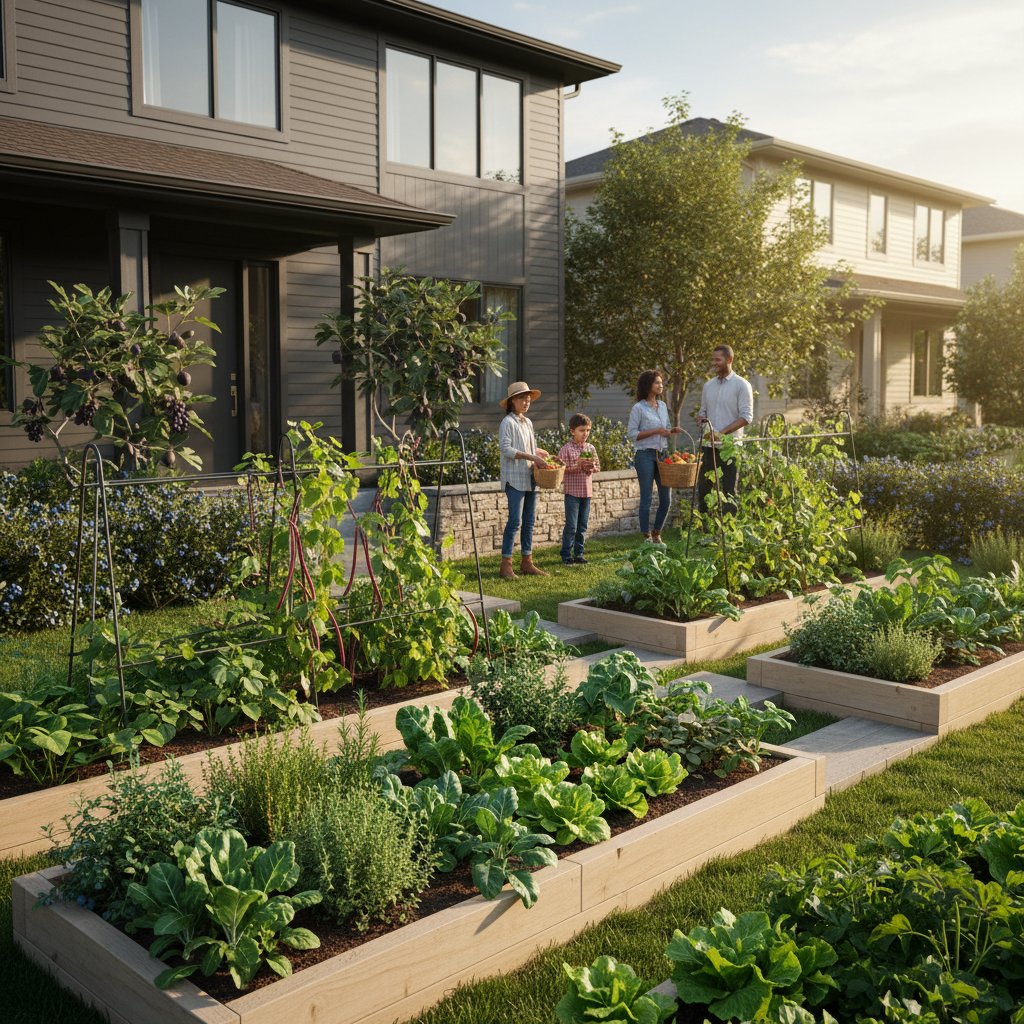
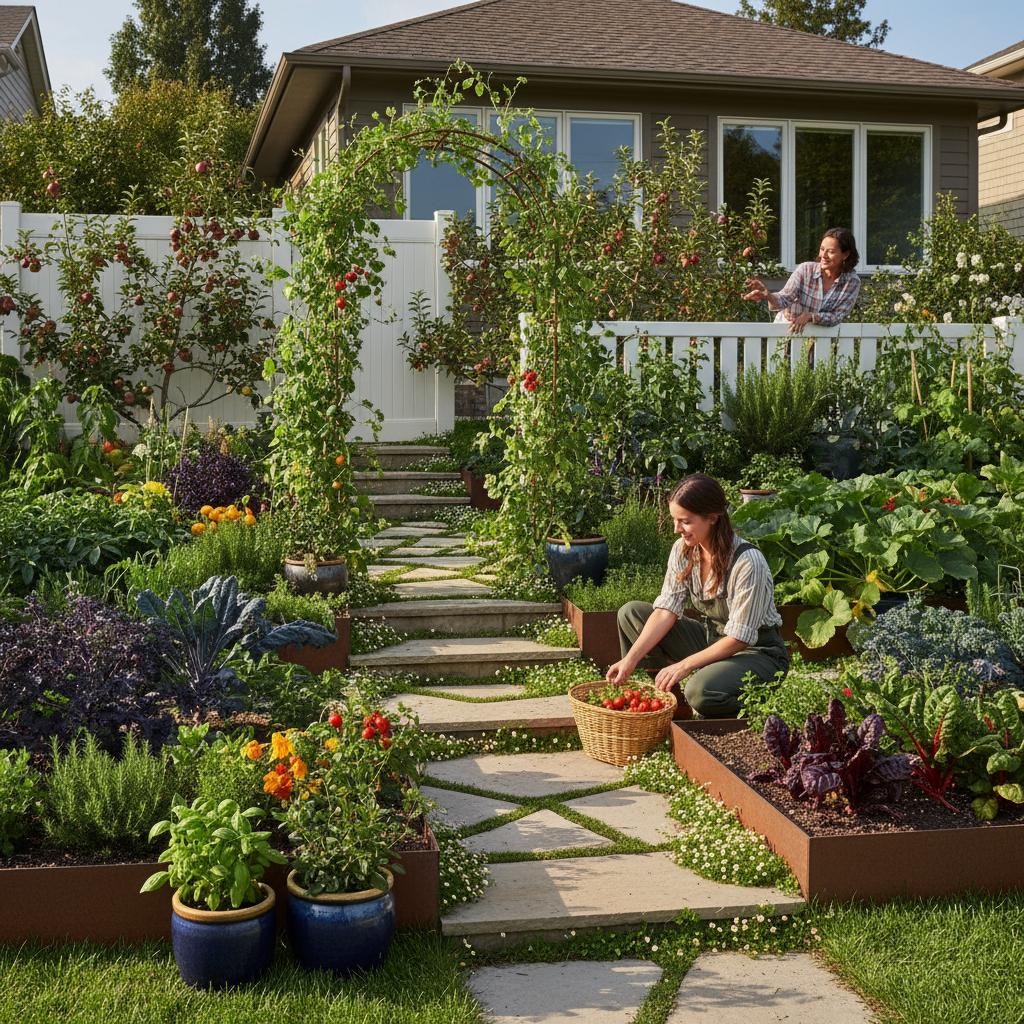
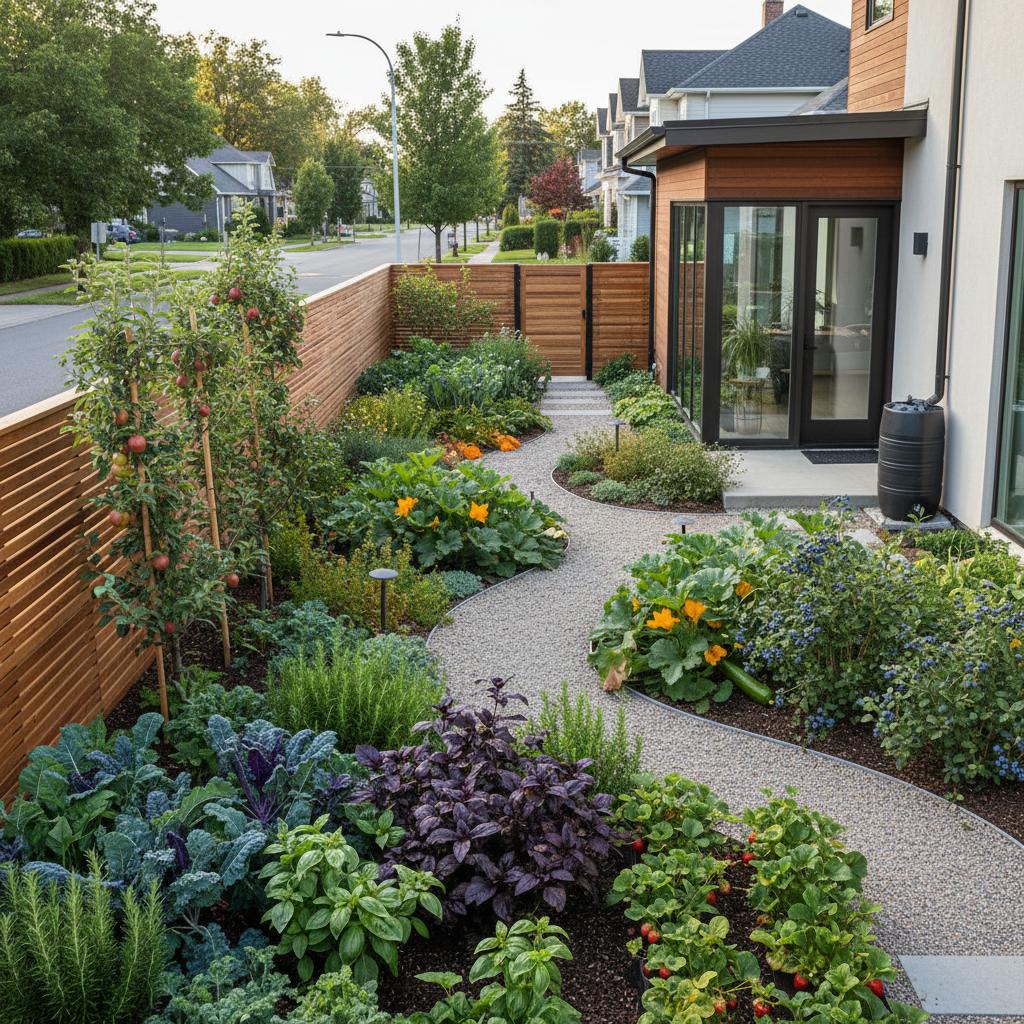
A thoughtfully planned edible landscape rivals the polish of conventional yards while introducing dynamic elements. Plant vibrant lettuces in varied hues—such as red romaine or butterhead—to border pathways, providing a living mulch that softens edges. Position dwarf fruit trees, like espaliered apples or columnar pears, to accentuate porches or entryways, offering vertical interest without overwhelming the space.
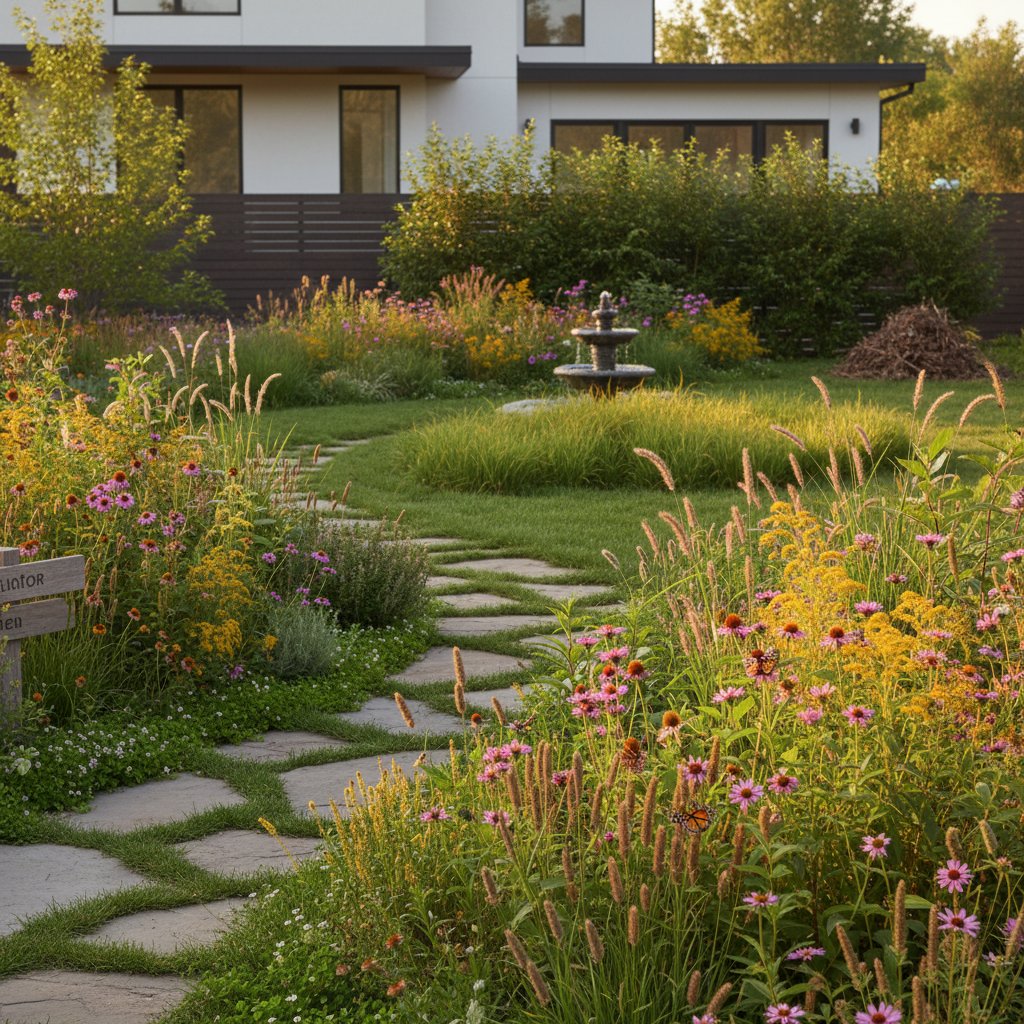
Incorporate flowering edibles like borage or nasturtiums along borders to draw bees and butterflies, adding pops of color and fragrance. Maintain order through defined features: construct raised beds from untreated cedar for vegetables, or use stone edging for herb sections. Layer plants by height—tall sunflowers in the rear, mid-level peppers, and trailing sweet potatoes in front—to create depth and movement. The outcome is a yard that evolves with seasons, displaying spring blooms, summer greens, and autumn harvests, all while appearing cultivated and intentional.
Estimating Startup Costs for Edible Landscapes
Initial expenses vary based on scale, materials, and plant choices. Inexpensive starters include herb seedlings like basil or mint at $3 to $5 per plant, and vegetable starts such as lettuce or radishes for under $2 each. More substantial investments arise from fruit-bearing elements: a young dwarf citrus tree might cost $30 to $50, while pre-made raised bed kits range from $100 to $300.
For a modest 200-square-foot front yard, expect to spend $200 to $500 on plants, soil amendments, and basic tools like mulch and compost. Larger transformations, incorporating irrigation systems or hardscaping, could total $1,000 to $3,000. Regional labor rates influence professional costs; a certified landscaper charges $50 to $100 per hour for site preparation, which includes testing soil pH and amending with organic matter. Opt for DIY approaches to minimize outlays, focusing first on high-yield, low-cost edibles to build confidence and budget.
Advantages Extending Past Produce
Edible landscaping delivers value that surpasses immediate harvests, fostering long-term lifestyle and ecological gains.
- Minimized household waste: Harvest directly from the yard, eliminating plastic packaging from store-bought produce.
- Savings on food expenses: Access herbs, salad greens, and small fruits without weekly market visits, potentially reducing grocery bills by 10 to 20 percent for fresh items.
- Ecological enhancements: Plant diversity bolsters biodiversity, with native edibles supporting local pollinators and enriching soil through natural root systems and leaf litter.
- Community engagement: An innovative front yard design often prompts neighbor interactions, sharing tips or excess yields to build social connections.
Compared to water-intensive lawns that demand constant mowing and chemical inputs, edible landscapes offer a resilient alternative that conserves resources and enriches daily life.
Sustaining Your Edible Landscape
Routine maintenance mirrors that of standard gardens, emphasizing consistency for optimal results. Water deeply but infrequently to encourage strong roots, aiming for one inch per week during dry spells; install drip irrigation to target roots efficiently. Prune fruit trees annually in late winter to shape growth and remove diseased branches, while weeding by hand preserves beneficial insects.
Apply organic mulch, such as shredded bark or straw, to retain moisture, suppress weeds, and feed soil as it decomposes. Annual crops like tomatoes require succession planting every few weeks for continuous supply, whereas perennials such as asparagus or rhubarb establish quickly and persist with minimal intervention. Tailor care to your climate: in arid regions, select drought-tolerant options like rosemary; in wetter areas, prioritize well-draining soils to prevent rot. With these practices, the garden remains vibrant and productive throughout the year.
Steps to Implement Edible Landscaping
Start by evaluating your yard's conditions: map sun patterns over a day, noting full-sun areas ideal for tomatoes and partial shade suited to spinach. Research plants compatible with your USDA hardiness zone via local extension services, prioritizing disease-resistant varieties. Begin modestly—dedicate a 4-by-4-foot bed to easy growers like Swiss chard and dill—to test soil and observe performance before scaling up.
Source materials from reputable nurseries for healthy stock, and prepare the site by loosening soil to 12 inches deep and incorporating compost for nutrient balance. For expert guidance, consult designers experienced in permaculture; they can draft custom plans integrating pathways, seating, and edible features for seamless flow. Experiment with companion planting, such as marigolds near beans to deter pests, to maximize efficiency.
Realizing Daily Rewards from Your Edible Yard
Integrating food production into your front yard cultivates a space that nourishes both body and surroundings. Regular tending yields not only meals but also a sense of accomplishment and connection to nature. As your garden matures, it becomes a testament to thoughtful stewardship, inviting enjoyment and inspiration into everyday home life.