Gravel Gardens: Effortless Beauty for Low-Maintenance Living
Examine your yard and consider areas that drain poorly or require excessive effort to maintain. Traditional lawns and flowerbeds often demand frequent watering, mowing, and weeding, which can overwhelm busy schedules. A gravel garden addresses these challenges by providing a structured yet relaxed outdoor space that enhances natural beauty with minimal intervention.
This design style emphasizes balance through varied textures, subtle colors, and strategic plant placement. Gravel serves as the foundation, allowing for creative expression while promoting sustainability. Homeowners discover that such gardens not only reduce labor but also foster a sense of calm and connection to the environment.
Assessing Your Space
Start by evaluating your yard's conditions to identify suitable locations for a gravel garden. Observe soil type, sunlight exposure, and water flow; gravel excels in areas with poor drainage or full sun, where it prevents erosion and retains moisture for plant roots. Measure the space to determine scale, ensuring the design integrates seamlessly with existing features like patios or fences.
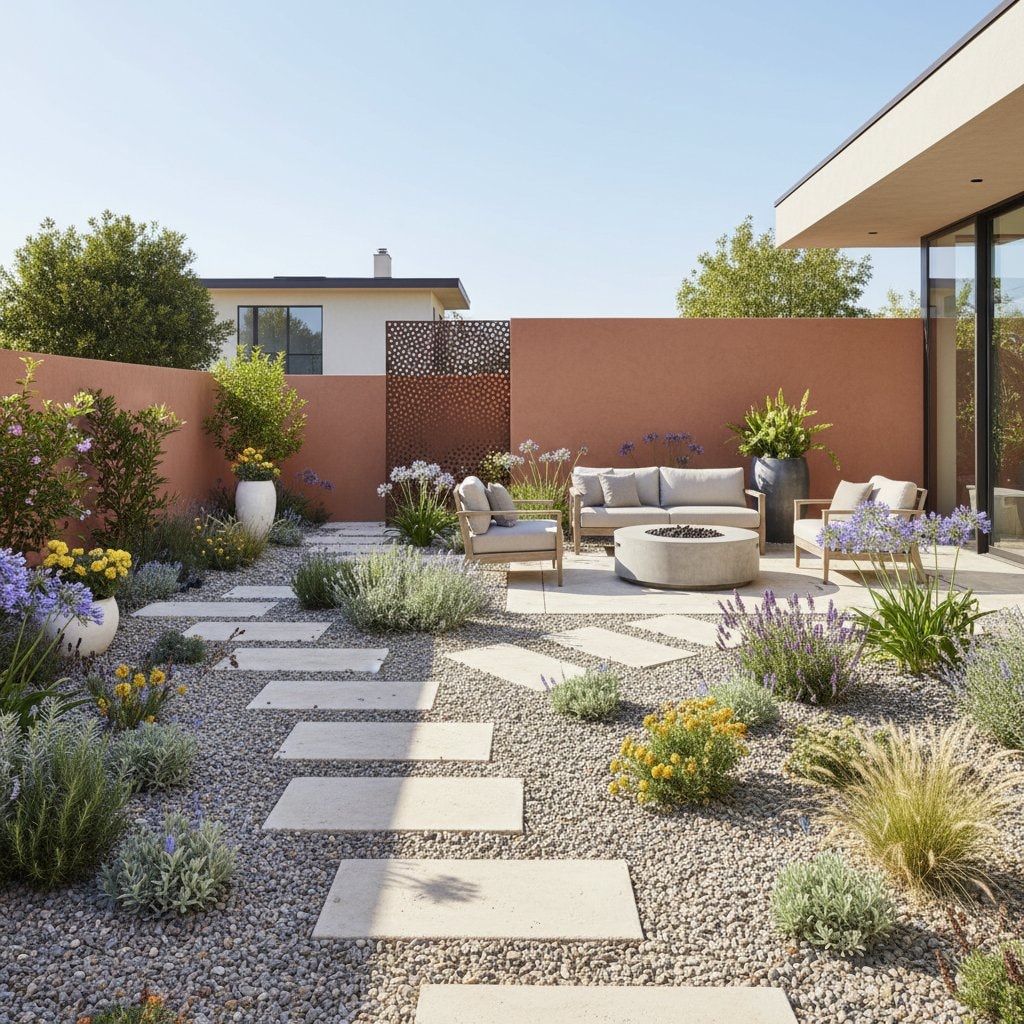
Define the desired atmosphere to guide your choices. For a Mediterranean vibe, incorporate aromatic herbs and winding paths; for a contemporary look, opt for geometric patterns and minimalist succulents. Consider traffic patterns and how the garden will support daily activities, such as creating pathways from the house to seating zones.
Visualize functionality alongside aesthetics. Gravel paths, typically 3 feet wide, facilitate easy movement while framing plant clusters. This assessment phase ensures the final design aligns with your lifestyle and home architecture.
Designing the Layout
Develop a layout that combines structure with organic flow. Sketch the area on paper or use simple digital tools, outlining boundaries, paths, and plant groupings. Incorporate focal points such as a central boulder, fountain, or specimen tree to draw the eye and add depth.
Select gravel types based on your home's palette. River rock in neutral tones complements rustic exteriors, while polished pea gravel suits sleek modern facades. Maintain a single dominant color for cohesion, using accents sparingly to avoid visual clutter.
Implement the design incrementally to manage costs and effort. Begin with a 10-by-10-foot section near the entrance, then expand outward. This method allows observation of how elements interact before committing to larger areas.
Preparing the Site
Proper site preparation ensures longevity and prevents common issues like weed invasion. Remove existing vegetation, including grass and roots, using a shovel or sod cutter for thorough clearance. Level the ground with a rake, filling low spots with topsoil to create an even base.
Install a landscape fabric as a weed suppressant, overlapping seams by 6 inches and securing with staples. This permeable material blocks growth while permitting water infiltration. Add a 2-inch layer of coarse sand beneath the gravel for stability and improved drainage.
Apply decorative gravel to a uniform 2- to 3-inch depth, using a wheelbarrow for even distribution. Define edges with pressure-treated lumber, bricks, or aluminum borders to contain the material. For pathways, compact the gravel with a plate compactor to create a firm, walkable surface.
In planting zones, excavate small pockets 12 inches deep and wide, amending soil with compost for root establishment. This targeted preparation supports plant health without altering the entire gravel expanse.
Selecting Resilient Plants
Choose plants adapted to gravel conditions, focusing on those that tolerate drought, poor soil, and intense sunlight. Prioritize natives or Mediterranean species for ecological benefits and low water needs. These selections provide year-round interest through foliage, flowers, and form.
Recommended options include:
- Lavender (Lavandula spp.): Offers purple blooms and evergreen foliage; space 18 inches apart for air circulation.
- Sedum (Sedum spp.): Features succulent leaves in rosettes; thrives in zones 3-9 with minimal pruning.
- Creeping Thyme (Thymus serpyllum): Forms a fragrant mat; plant in full sun and trim lightly after flowering.
- Euphorbia (Euphorbia spp.): Delivers chartreuse bracts in spring; handle with care due to milky sap.
- Agave (Agave spp.) or Yucca (Yucca spp.): Provides architectural drama; position as accents every 4-6 feet.
Arrange plants in clusters of three, five, or seven for asymmetry. Maintain 12-24 inches between specimens to allow gravel visibility, enabling gradual expansion. Mulch around bases with additional gravel to suppress weeds and retain soil moisture.
Maintaining the Garden
Established gravel gardens demand infrequent care, focusing on prevention rather than correction. Inspect monthly for debris accumulation, using a stiff broom or rake to redistribute gravel and remove fallen leaves. This practice preserves the tidy appearance and prevents compaction.
Address weeds by hand-pulling immediately, targeting the root to eliminate regrowth. Water deeply but infrequently, applying 1 inch per session every two weeks during the first growing season; mature plants often require none beyond rainfall. Prune spent flowers and dead foliage annually in early spring to encourage vigor.
Replenish gravel every 2-3 years, adding a thin layer where displacement occurs from foot traffic or weather. Avoid power washing, as it can disturb the base; instead, spot-clean with a hose on low pressure. These routines sustain the garden's health and aesthetic appeal with minimal time investment.
Infusing Mediterranean Charm
Draw inspiration from Mediterranean gardens to infuse warmth and simplicity into your design. Pair gravel with sun-baked elements like olive jars filled with succulents or wrought-iron furniture for authentic texture. Position culinary herbs such as oregano or sage near entryways for convenient harvest and subtle fragrance.
Emphasize restraint by limiting elements to essentials: stone, greenery, and open sky. This philosophy creates a harmonious space that reflects natural rhythms, inviting relaxation amid the day's demands. Such gardens transform ordinary yards into evocative escapes.
Embracing Seasonal Evolution
Observe how your gravel garden adapts through the year, revealing new facets with each change. In spring, tender shoots emerge against the gravel's gleam; summer brings vibrant blooms under intense light. Autumn tones soften the palette, while winter's frost highlights structural forms.
Engage with the space through light tasks that build appreciation. Harvest herbs for meals, or rearrange accents to refresh the view. This evolving dynamic fosters a deeper bond, turning the garden into a living extension of home.
Ultimately, a gravel garden delivers enduring rewards: reduced stress, environmental harmony, and effortless allure. It proves that beauty thrives in simplicity, offering a sanctuary that nurtures both body and spirit.