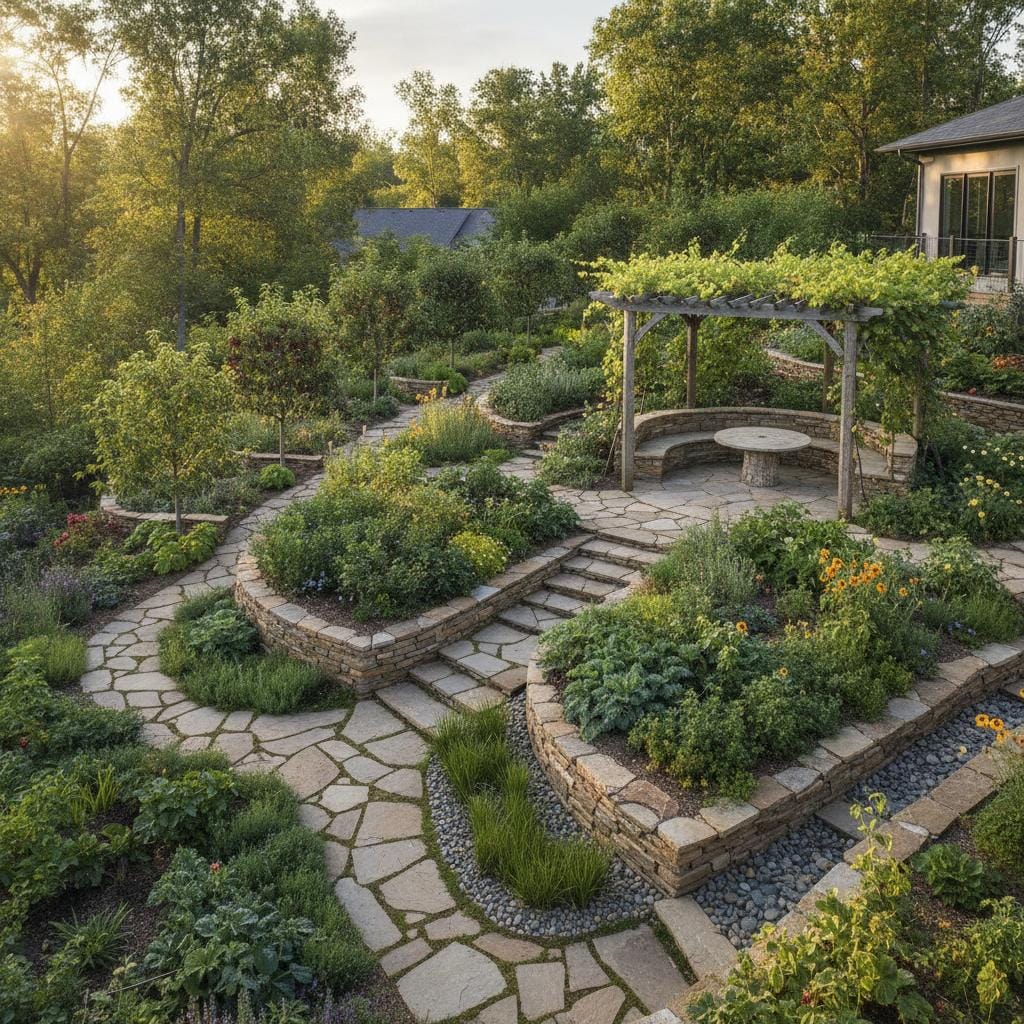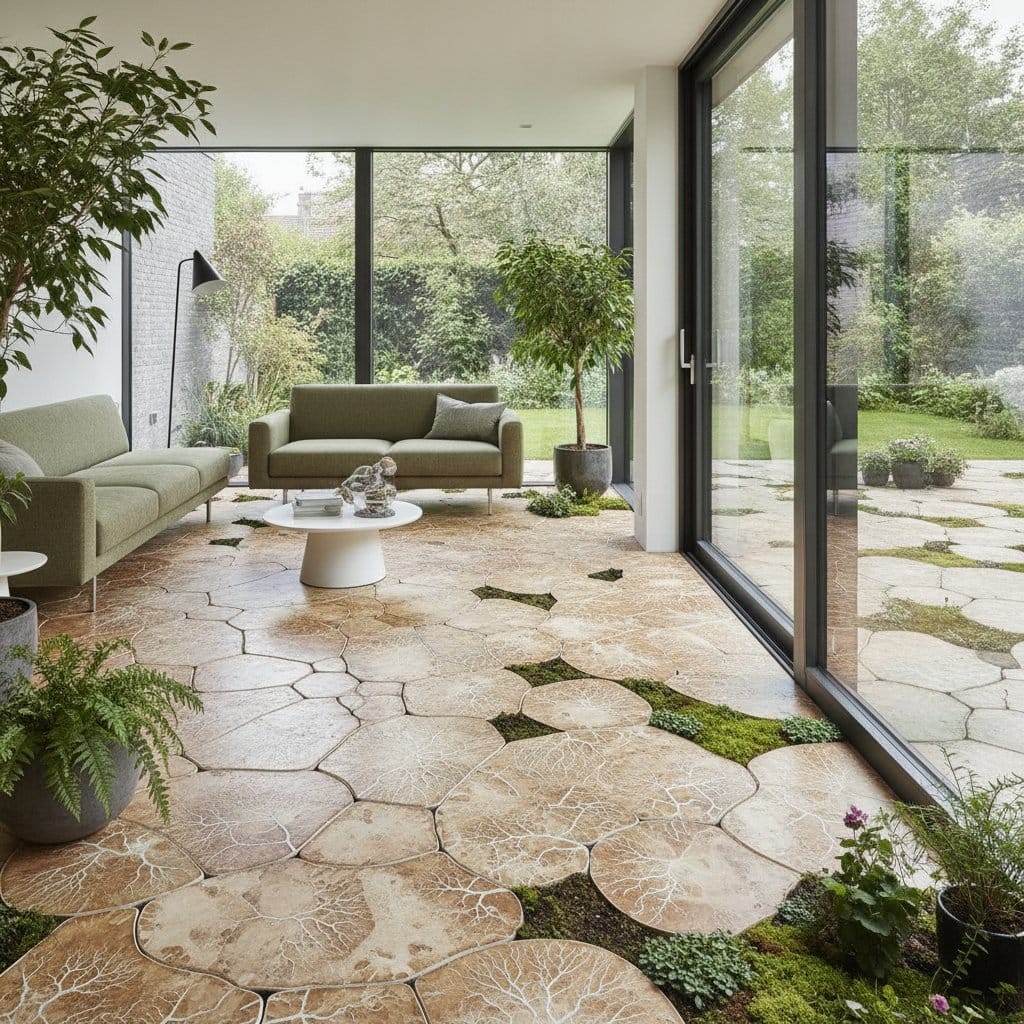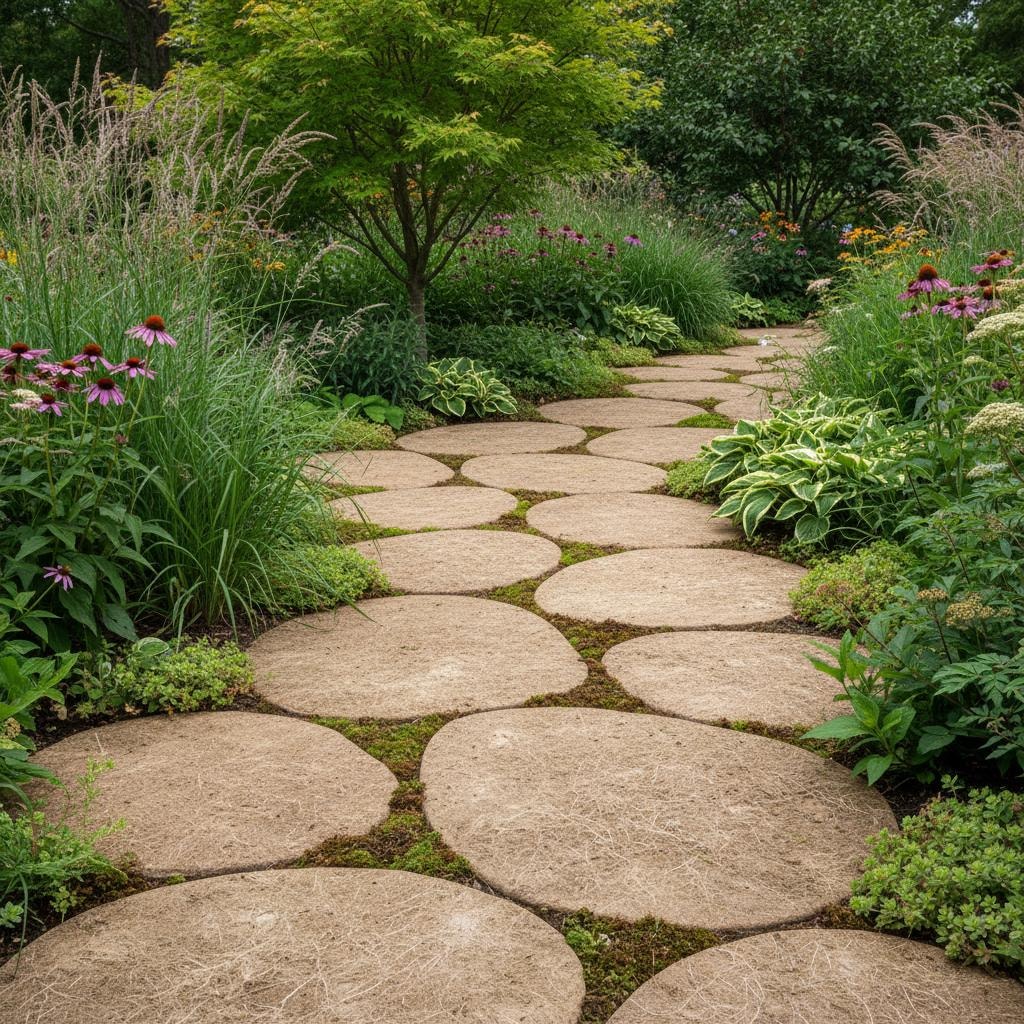
Mycelium Pavers Grow Into Sustainable Garden Paths
Every garden incorporates paths and patios that shape movement and define outdoor rooms. Mycelium pavers replace static concrete or stone with a material grown from fungi and farm waste. The result is a hardscape that supports foot traffic while returning to the soil at the end of its service life.
What Mycelium Is and How It Forms Pavers
Mycelium consists of fine fungal threads that decompose organic matter in soil. Growers mix these threads with sawdust, straw, or similar agricultural residues inside shaped molds. The mycelium colonizes the substrate over five to seven days and binds the particles into a solid block. Drying halts further growth and yields a lightweight paver ready for installation.
Performance Compared with Conventional Materials
Concrete and stone pavers withstand heavy loads yet require high-temperature production that releases carbon. Mycelium pavers arrive ready to lay after low-energy growth and remain biodegradable. They insulate against temperature swings and allow water to pass through, reducing runoff on garden paths.
Homeowners gain three practical advantages. First, each paver weighs roughly one-third as much as a comparable concrete unit, easing transport and placement. Second, the material tolerates light to moderate foot traffic on walkways and patios when set on a compacted gravel base. Third, surface color ranges from pale tan to soft gray and develops a natural patina that blends with surrounding plantings.
Installation Steps for Best Results
Prepare a four-inch layer of compacted gravel or coarse sand to promote drainage. Lay the pavers with quarter-inch gaps and sweep sand or fine gravel into the joints. Avoid areas that collect standing water or support vehicle traffic. In regions with freeze-thaw cycles, apply a breathable sealant after installation to slow moisture uptake.
Maintenance Practices That Extend Service Life
Sweep leaves and debris regularly with a soft-bristle broom. Rinse the surface with a garden hose when dust accumulates. Expect minor surface softening after several seasons; this change does not affect structural integrity on pedestrian routes. When a paver reaches the end of its useful period, break it into pieces and add it to a compost pile or garden bed.
Design Approaches That Highlight Natural Variation
Arrange pavers in irregular patterns to echo forest-floor textures. For contemporary settings, cut units into uniform rectangles and align them with clean planting beds. Repeat a single shape or spacing interval across the layout to create visual rhythm despite the organic surface.
Environmental Outcomes of Choosing Mycelium
Production diverts agricultural waste from landfills and avoids kiln firing. At disposal, the pavers return nutrients to the soil rather than persisting as synthetic debris. Local manufacturing further lowers transport emissions compared with quarried stone shipped long distances.
Selecting and Sourcing the Material
Request documentation that confirms the pavers were grown from non-toxic substrates and cured to a stable moisture content. Begin with a small test section such as a side path or seating pad. Observe performance through one full year of weather before expanding the installation. Pair the pavers with native ground covers that thrive in partial shade to reinforce the living character of the hardscape.