Establish a Garden That Yields Harvests Annually from a Single Planting
Gardeners often face the annual task of sowing seeds and transplanting seedlings, a process that demands significant time and effort. Perennial edible plants offer a solution by returning each year from established roots, providing consistent harvests with minimal intervention. This approach allows individuals to invest effort upfront and enjoy rewards over multiple seasons.
View Your Garden as an Interconnected Ecosystem
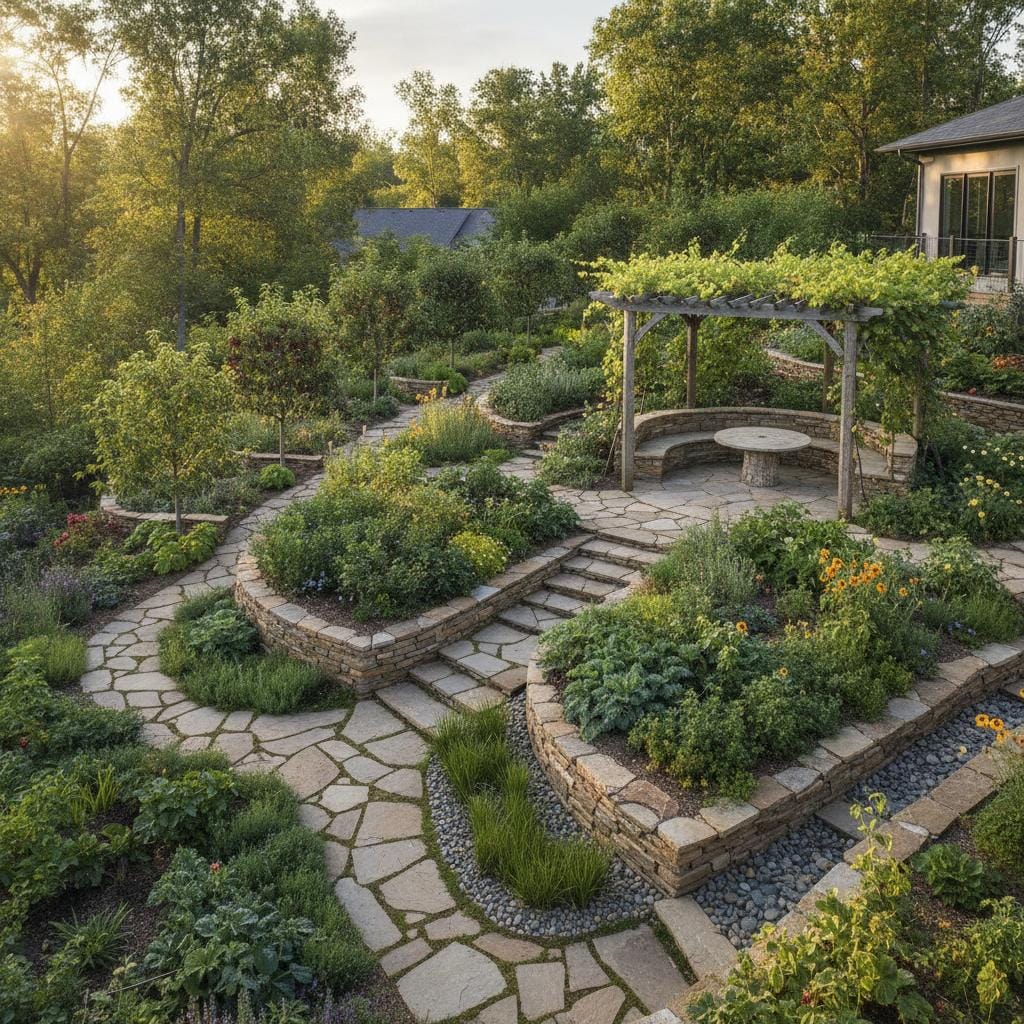
Consider your garden not merely as isolated plots but as an integrated ecosystem where plants interact to sustain one another. Perennial edibles persist through multiple years, generating fresh foliage, flowers, and fruits from the same root systems. Established specimens require less frequent care compared to annual crops, delivering reliable yields similar to established fruit trees or shrubby perennials.
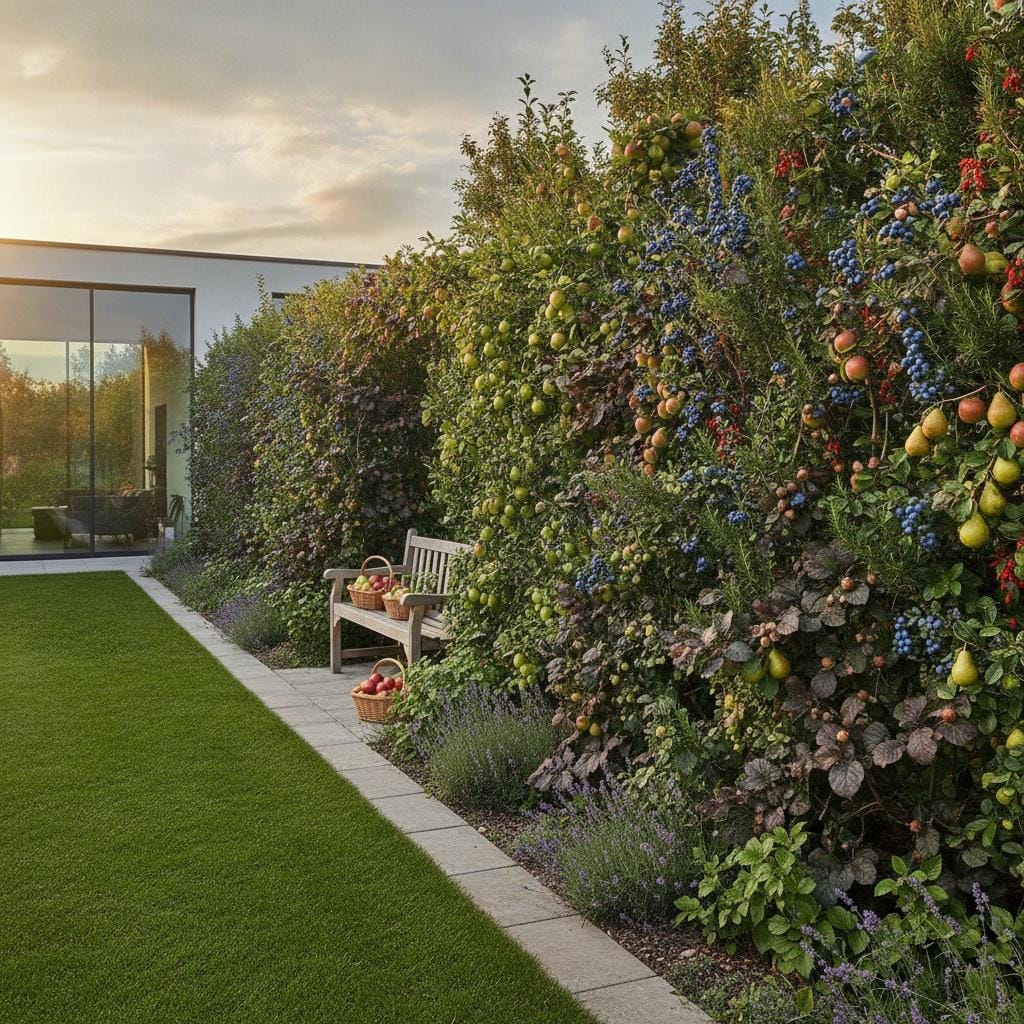
These plants replicate the layered structure of natural woodlands, known as a food forest design. In this system, taller fruit producers occupy the canopy, mid-level berry shrubs provide structure, and ground-cover herbs maintain soil coverage. Such arrangements promote biodiversity, improve soil fertility through natural mulching from fallen leaves, and draw in beneficial pollinators like bees and butterflies.
Evaluate Your Site and Environmental Factors
Start by mapping your garden area to identify patterns of sunlight exposure, which typically ranges from full sun for six or more hours daily to partial shade with four hours or less. Observe drainage by noting where rainwater pools after storms, as perennials prefer well-drained sites to prevent root rot. Test soil pH using a simple kit; most edibles thrive in slightly acidic to neutral ranges between 6.0 and 7.0.
Prepare the soil by incorporating aged compost at a rate of two to three inches per square yard, worked into the top six inches. This initial amendment supports root development for plants that remain in place for years. Factor in your USDA hardiness zone to select varieties suited to local winters, and assess your willingness for upkeep; low-maintenance choices like asparagus demand pruning only in late fall, whereas strawberries benefit from annual runner removal.
Select Suitable Perennial Edibles for Your Garden
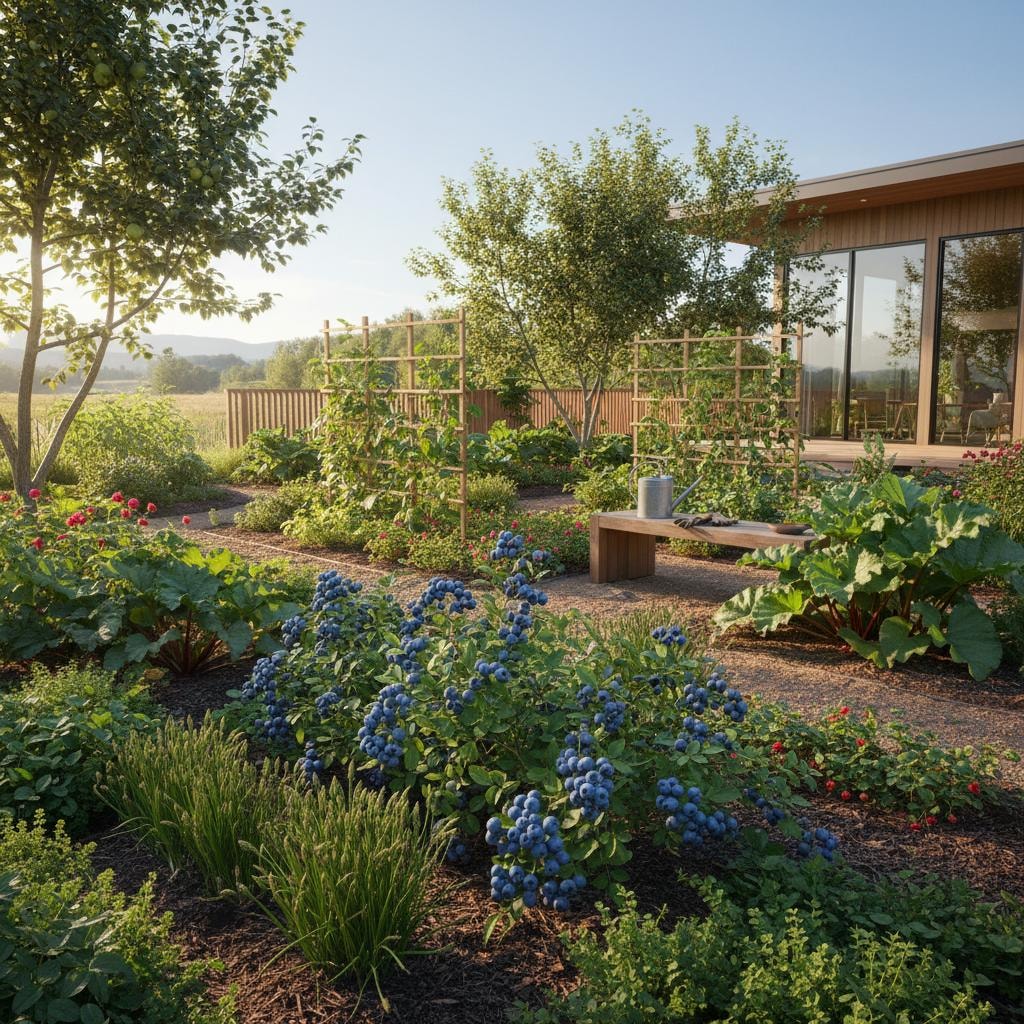
Build diversity by choosing plants that mature at varying heights and fruit at different times, ensuring steady production from spring through fall. Focus on species proven for resilience and productivity in home settings.
- Asparagus: Plant crowns one foot apart in trenches 6 to 8 inches deep; expect harvests starting in the third year, with spears emerging in early spring for up to eight weeks.
- Rhubarb: Space crowns 3 feet apart in fertile soil; harvest stalks from the second year onward, pulling them gently to avoid disturbing the crown, ideal for pies and compotes.
- Jerusalem Artichokes: Plant tubers 4 inches deep and 12 inches apart; dig up knobby roots in late fall for winter storage, using them in hearty stews for their nutty flavor.
- Chives and Garlic Chives: Sow seeds or divide clumps every 8 inches; snip leaves as needed for salads, and allow flowers to bloom to support bees while adding edible petals.
- Sorrel: Direct sow seeds in early spring, thinning to 12 inches; pick young leaves for tangy additions to soups and salads during the cool early season.
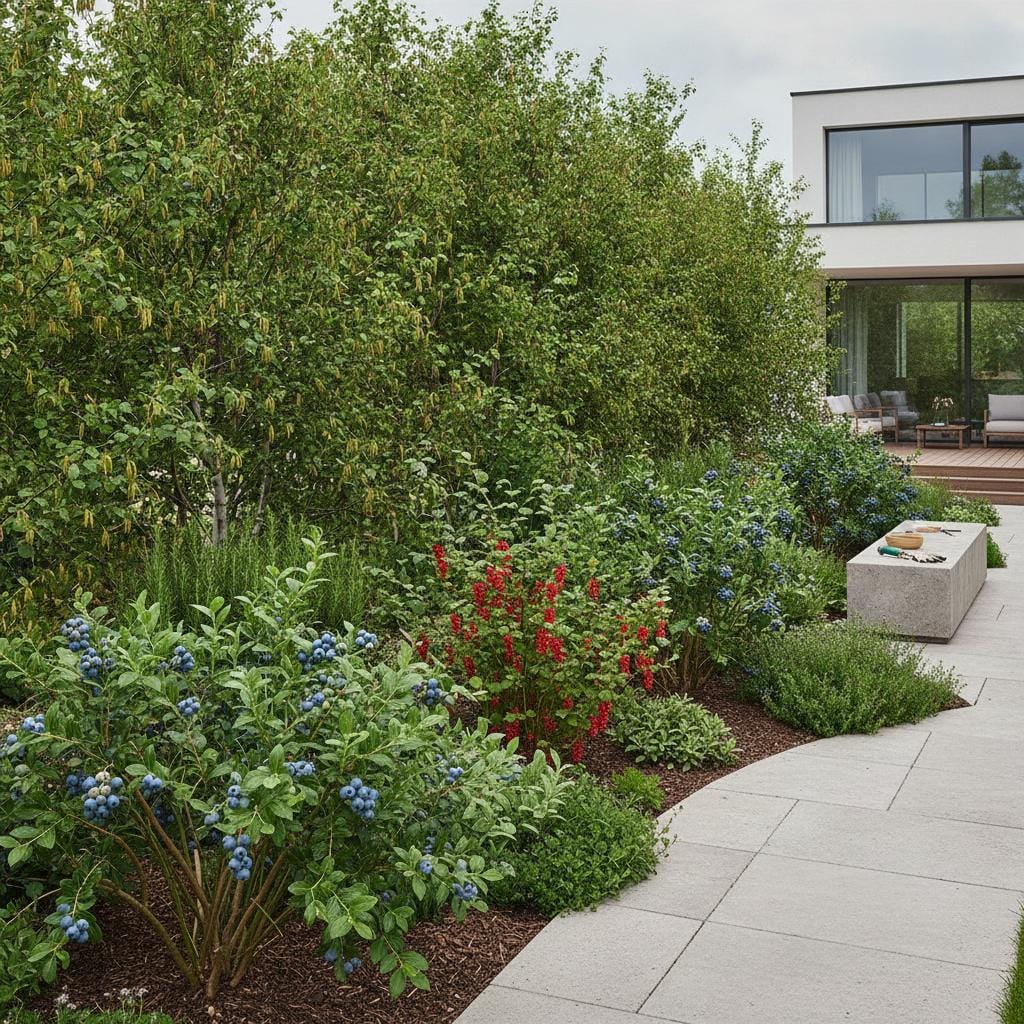
- Berry Bushes: Position blueberries in acidic soil amended with peat, 4 to 6 feet apart; prune raspberries annually in winter to encourage vigorous cane growth and summer berries.
Integrate these into guilds where companion plants, such as nitrogen-fixing clover under berry bushes, enhance overall health. Begin with three to five types to avoid overwhelming your space, expanding as you observe performance.
Implement Planting and Maintenance Practices for Endurance
Plan spacing according to mature size; for instance, allocate 4 feet between asparagus rows to allow fern growth. Dig holes twice as wide as the root ball, positioning plants at the same depth as in their nursery pots. Apply a 2- to 3-inch layer of straw or wood chips as mulch immediately after planting to conserve water and suppress weeds.
Provide consistent moisture during the establishment phase, aiming for 1 inch of water per week through deep soaking rather than frequent shallow watering. In subsequent years, supplement only during prolonged dry periods exceeding two weeks. At season's end, cut back herbaceous perennials to 2 inches above ground and remove debris to deter pests, fostering robust regrowth.
Observe and Sustain Your Garden's Progress
Monitor plant health by checking for signs of nutrient deficiency, such as yellowing leaves indicating a need for balanced organic fertilizer applied in early spring. Introduce companion flowers like marigolds to naturally repel aphids and nematodes. Over seasons, note which combinations yield the best results, adjusting as your garden evolves.
Harvesting from perennials builds a sense of continuity, as each crop emerges from roots deepened by prior years' growth. This method not only cuts labor but also enriches the soil through organic matter accumulation, creating a resilient landscape. Ultimately, perennial edibles foster a harmonious relationship with your environment, yielding nourishment and satisfaction through thoughtful, enduring stewardship.