Transform Boundaries Into Productive Fruit and Nut Hedges
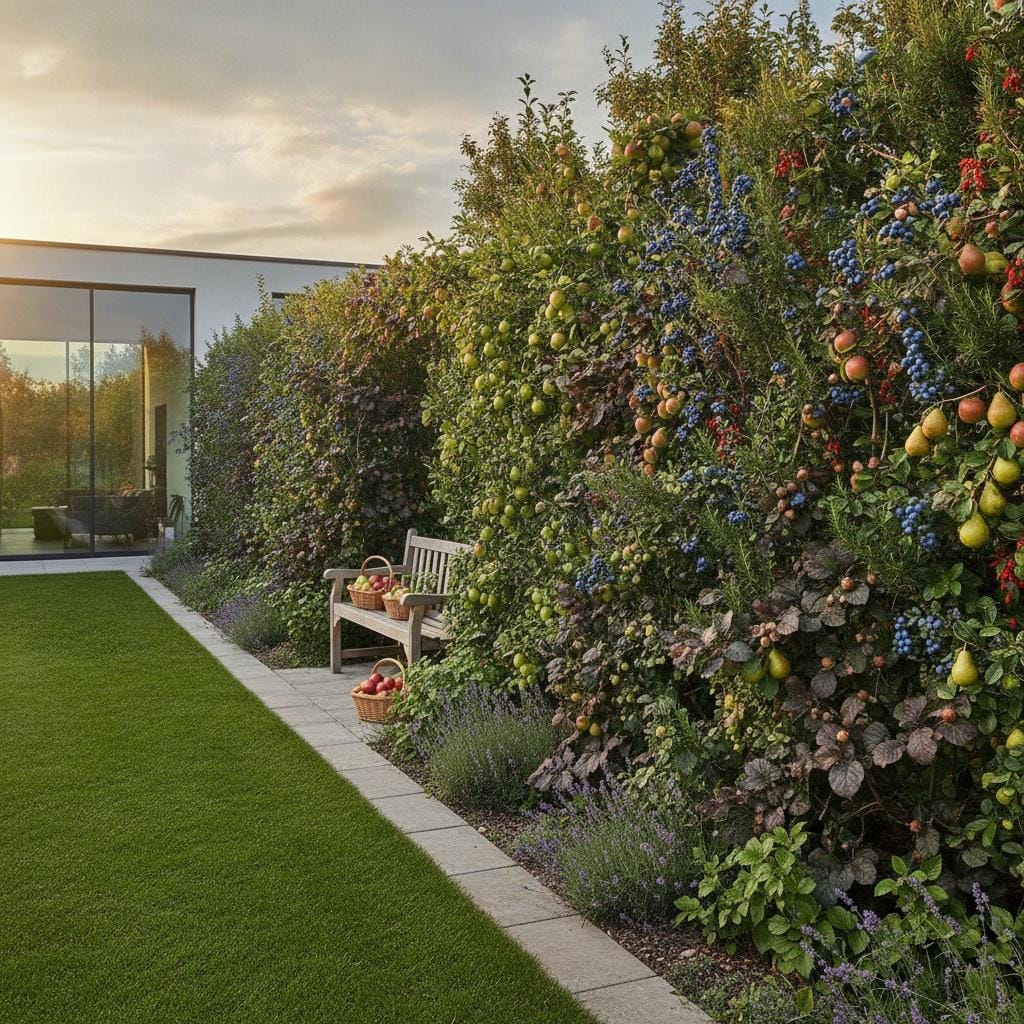
Many homeowners view yard edges as simple dividers. These spaces can instead become sources of food, habitat, and visual interest. Fruit and nut hedges turn boundaries into layered systems that deliver privacy along with seasonal yields.
A productive hedge differs from a single species row. It combines plants of varying heights and bloom times. This approach supports pollinators and creates a dynamic border that changes through the year.
Planning Your Productive Hedge
Assess sun exposure, soil type, and available width before selecting plants. Decide on a target height that matches your privacy needs and local regulations. A layered design uses vertical space efficiently while maintaining airflow.
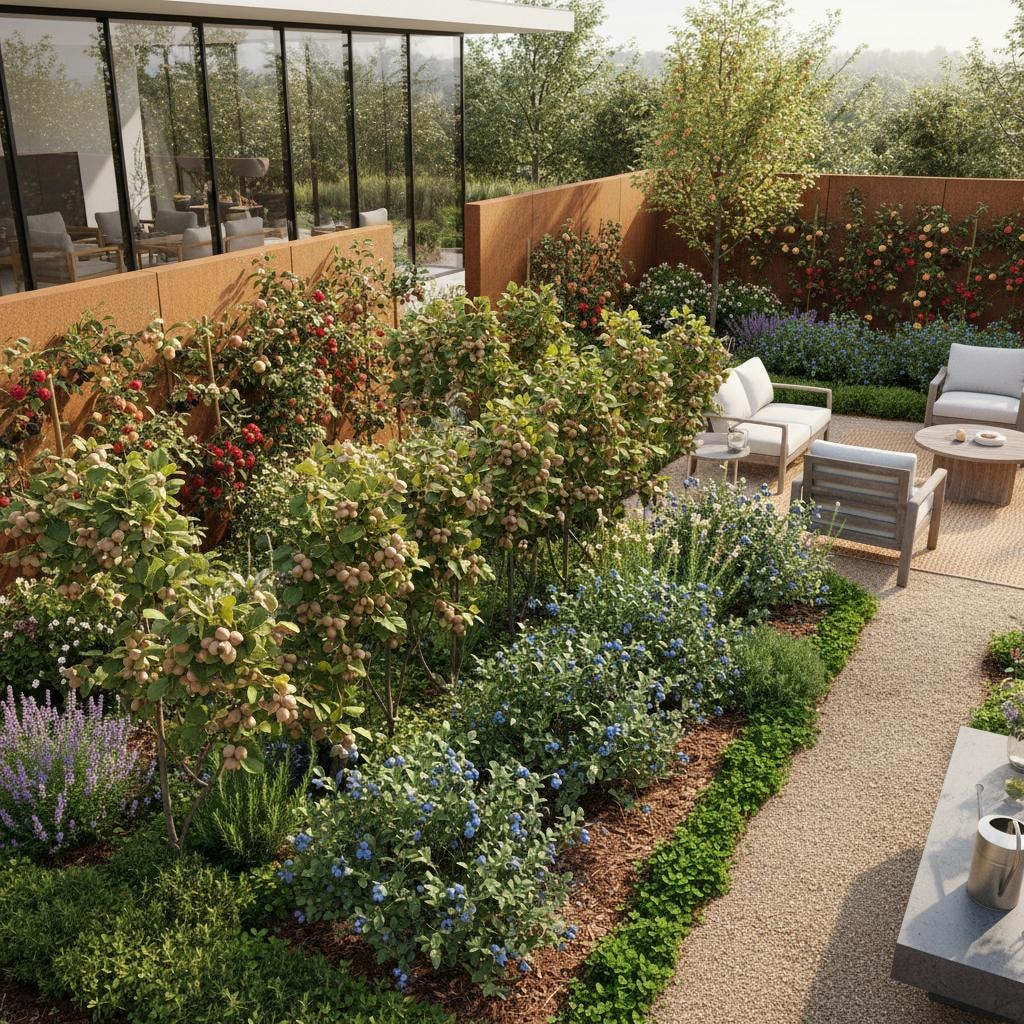
Place lower growing plants at the front, medium shrubs in the center, and taller specimens at the back. This arrangement maximizes light capture for each species. Allow sufficient spacing so mature plants touch lightly without crowding.
Include a narrow access path along the rear or between sections. The path simplifies pruning and harvesting without compacting soil. Record bloom and harvest windows for each chosen variety to ensure continuous coverage.
Selecting Reliable Plants
Match species to your climate and soil conditions. Prioritize disease resistant cultivars that produce well without intensive intervention. Combine deciduous and evergreen options to maintain structure in winter.
Strong candidates include hazelnuts for nuts and wildlife cover, blueberries for acidic soils, and currants for partial shade tolerance. Dwarf apples and plums supply upper height while elderberries suit moist locations. Rugosa roses add edible hips and fragrance.
Intersperse flowering herbs such as rosemary to attract beneficial insects. These additions reduce pest pressure through increased predator presence.
Planting and Establishment
Set plants in a staggered pattern rather than a straight line. This placement creates a natural appearance and reduces competition for light. Water each plant thoroughly at installation and maintain consistent moisture during the first two growing seasons.
Apply mulch in a layer several inches deep to conserve soil moisture and suppress weeds. Monitor new growth for signs of stress and adjust irrigation before introducing fertilizer. Light pruning in the first year encourages branching and strong form.
Supporting Pollinators
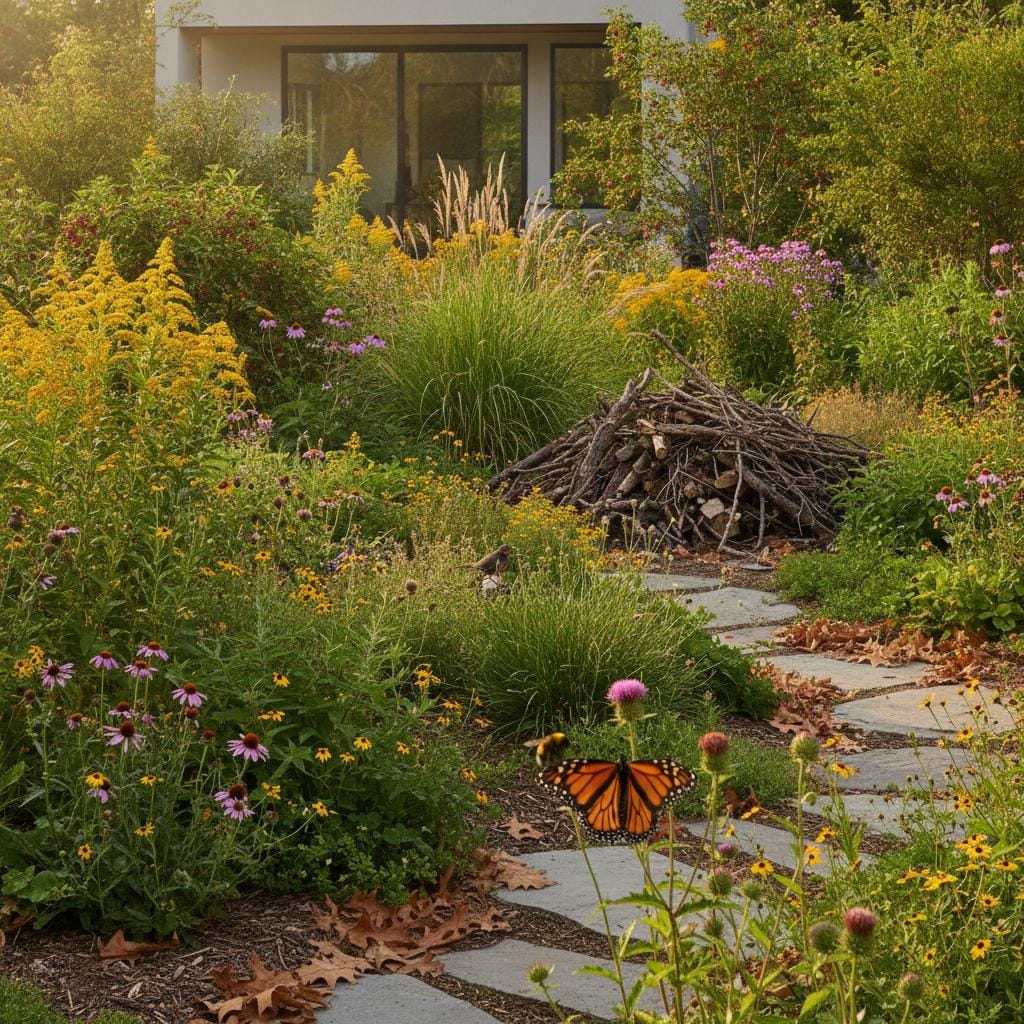
Select plants with staggered bloom periods to provide nectar across months. Retain small piles of hollow stems or weathered wood within the hedge for solitary bee nesting. Eliminate synthetic sprays that harm beneficial insects.
Diverse flower shapes and colors draw a wider range of pollinators. The resulting activity improves fruit set throughout the hedge.
Harvest and Seasonal Maintenance
Pick berries frequently once they ripen to encourage further production. Collect nuts after protective husks split and dry. Fresh use or simple preservation methods such as freezing and jam making extend the value of each harvest.
In spring, remove winter damaged wood and apply compost around the base of plants. During summer, deepen watering during dry periods and renew mulch as needed. Autumn cleanup of fallen debris limits disease carryover while winter offers time to inspect supports and plan replacements.
Observing Long Term Growth
Consistent seasonal attention allows the hedge to increase in both productivity and structural complexity. Over several years the boundary becomes a self reinforcing system that supplies food, shelter, and seasonal interest with minimal external inputs.