Underground Fungi: Nature's Hidden Soil Architect
Have you ever looked at your garden and wondered what might be happening beneath the surface? Maybe you sense that your soil feels tired or your plants are struggling, even though you are doing everything right. Beneath every thriving landscape lies an invisible world of life, and at the heart of it are underground fungi. These networks, known as mycelium, are quietly transforming how many homeowners and designers think about soil health and garden vitality.
What Are Underground Fungal Networks
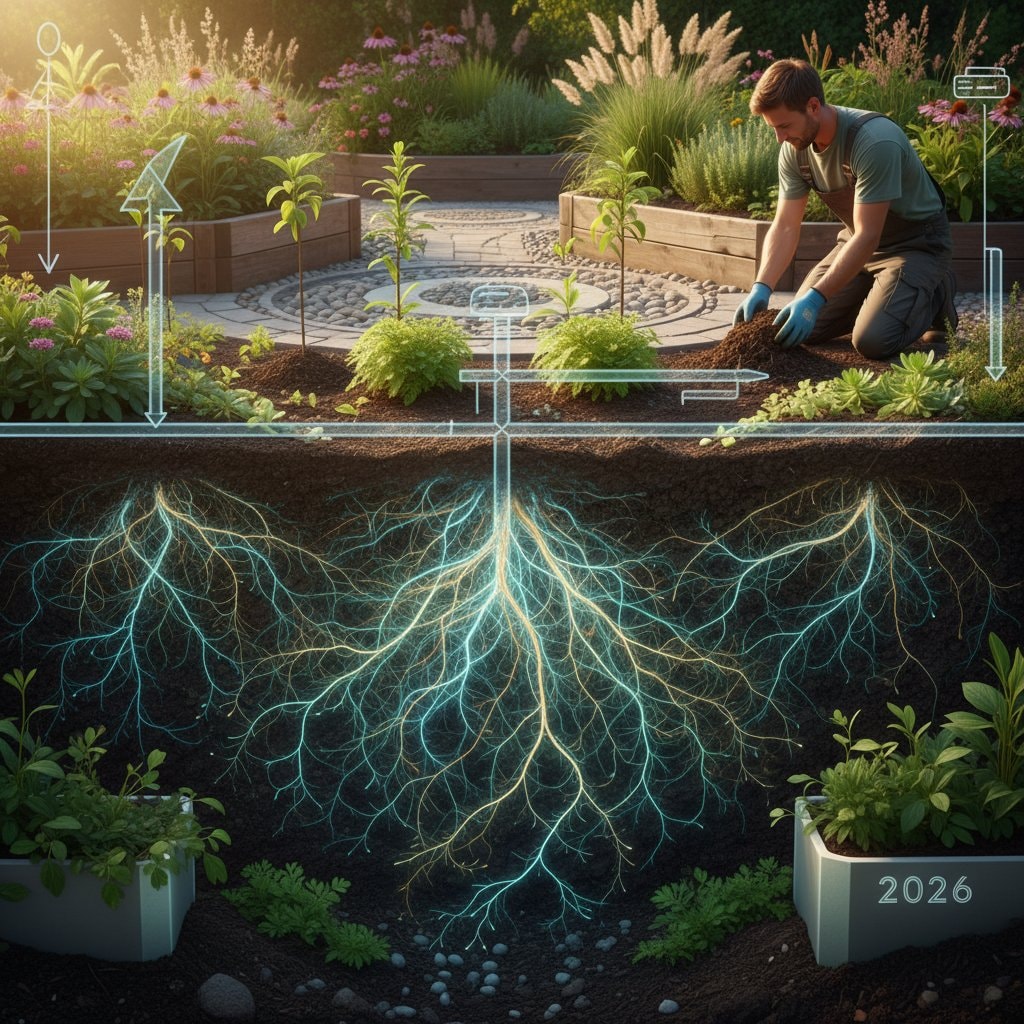
Mycelium is a vast, branching web made up of tiny filaments called hyphae. This network connects plant roots, forming what some gardeners like to call the wood wide web. Through this living connection, plants exchange nutrients, share water, and even send chemical signals to one another. Fungal networks feed on organic matter, breaking it down into nutrients that plants can absorb more easily. When healthy, these underground systems are the foundation of rich, living soil.
You may not see it, but mycelium is always at work. It binds soil particles together, improves water retention, and stabilizes plant life. In a sense, it is nature's own underground architect, constantly building and rebuilding a foundation that supports everything above ground.
Assessing the Hidden Life in Your Soil
Before you can restore or design a landscape that benefits from fungal networks, it helps to understand what is happening below the surface. Healthy soil often feels loose and earthy, with plenty of organic matter. When you dig a small hole and find fine white threads weaving through decomposing leaves or wood, you are likely seeing mycelium at work.
If your soil feels compacted or lifeless, fungi may have trouble spreading. You can start by reducing chemical fertilizers and pesticides. These can disrupt the delicate balance underground. Instead, focus on adding compost, leaf mold, or wood chips. These natural materials feed fungi and give them the structure they need to grow.
Designing with Fungi in Mind
Modern landscaping increasingly incorporates the idea of working with fungal networks instead of against them. When you plan garden beds, pathways, or water features, think about how soil layers will support fungal growth. Avoid heavy machinery that compacts the ground, and consider leaving small areas undisturbed where fungi can thrive naturally.
Plant diversity also encourages fungal activity. Trees, shrubs, perennials, and groundcovers all create different root environments. This variety allows multiple fungal species to coexist, forming a stronger and more resilient underground community. Mycorrhizal fungi, which form direct relationships with plant roots, are especially beneficial. They increase nutrient uptake and help plants resist drought and disease.
Nourishing the Network
Feeding your soil is not the same as feeding your plants. While fertilizers give plants a quick boost, organic matter sustains the entire ecosystem. Mulching with shredded leaves, bark, or straw provides steady food for fungi. As these materials decompose, they release nutrients slowly and naturally.
Avoid over-tilling your soil. Every time you disturb the ground, you break apart fungal threads that may have taken months to form. Instead, adopt a gentler approach. Use hand tools to loosen soil only where necessary, and allow natural decomposition to do most of the work. When you water, aim for deep, infrequent soakings that encourage roots and fungi to grow downward together.
How Mycelium Shapes Modern Landscapes
The idea of designing landscapes around fungal networks goes beyond soil health. It influences how we think about sustainability, resilience, and beauty. Landscapes that support fungi tend to require less irrigation and fewer chemical inputs. They also recover more quickly after storms or droughts. In a sense, the fungi act as unseen caretakers, keeping the system balanced even when surface conditions change.
Designers are now using mycelium in creative ways, including living mulch layers, biodegradable garden structures, and erosion control materials. These innovations reflect a shift toward working with natural processes rather than forcing them into rigid forms.
Implementing Fungal-Supportive Practices
As you nurture your soil and encourage fungi to flourish, you may begin to notice subtle changes. Plants seem more vigorous, their leaves richer in color. The ground feels softer underfoot. Even the air around your garden may smell fresher after rain. These are signs that the living network beneath you is growing stronger.
Keep feeding it with compost, organic debris, and patience. Fungal systems develop slowly, but once established, they sustain themselves with little interference. Over time, your garden becomes more than a collection of plants. By honoring the quiet work of underground fungi, you build a landscape that endures. The beauty you see above ground begins with the life you protect below it.