Edible Front Yards: Leading the 2026 Landscaping Revolution
Front yards have long served as canvases for personal expression. Traditional designs emphasize symmetry through manicured lawns and formal plantings. In contrast, emerging styles evoke untamed beauty with flowing perennials and native grasses. Now, a fresh narrative emerges in edible front yards, where abundance and utility intertwine with visual elegance.
These innovative spaces incorporate edible plants seamlessly into the landscape, creating environments that sustain both people and the planet. Homeowners increasingly adopt this approach to merge form with function, turning entryways into sources of fresh produce and social interaction.
The Emergence of Edible Landscapes
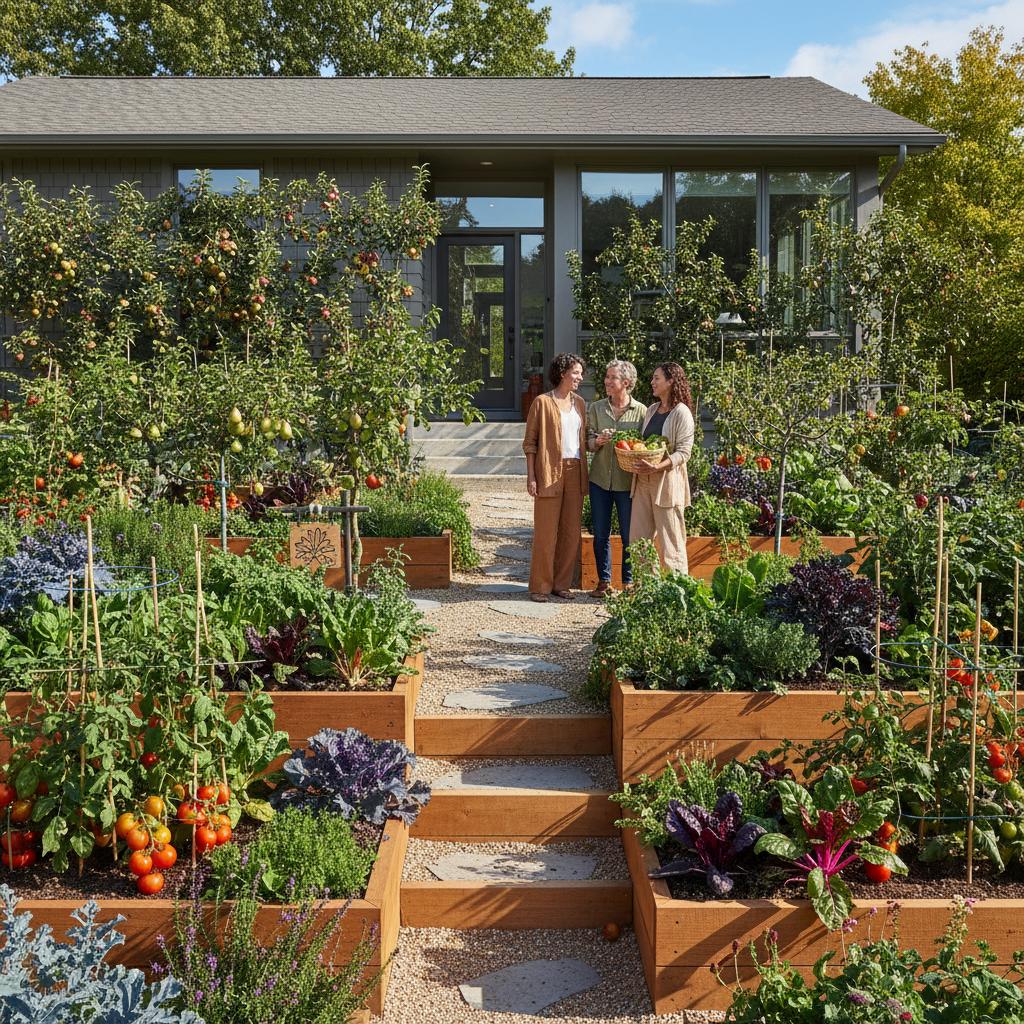
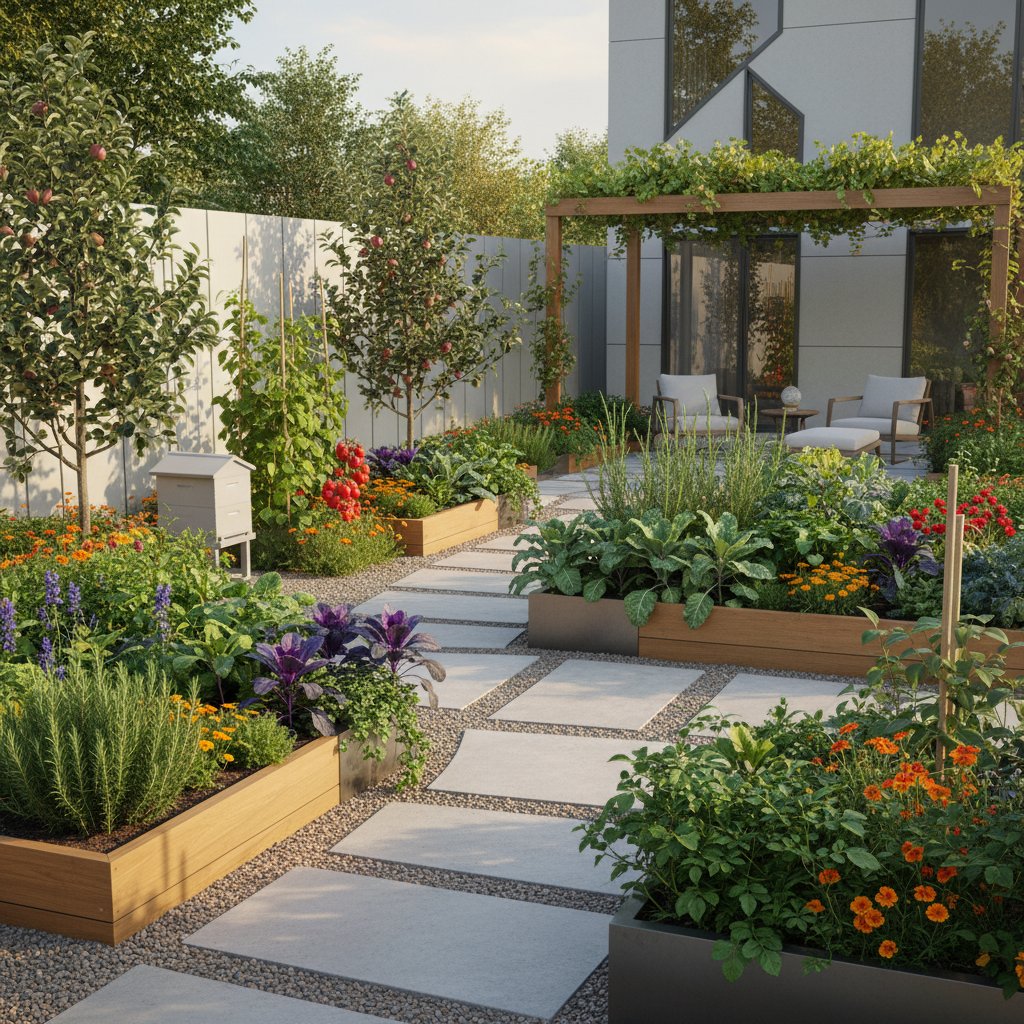
Edible front yards transcend the utilitarian appearance of traditional vegetable patches. Designers integrate fruits, herbs, and vegetables into cohesive ornamental arrangements. For instance, vibrant Swiss chard leaves provide texture alongside salvia blooms, while espaliered apple trees define property lines with seasonal fruit displays.
This trend gains momentum as individuals prioritize eco-friendly practices. Cultivating food in visible spaces reduces reliance on commercial agriculture and minimizes transportation emissions. The immediate gratification of harvesting basil for dinner or raspberries for dessert enhances daily life.
Surveys from gardening organizations indicate that over 60 percent of urban homeowners plan to incorporate edible elements by 2026. This shift reflects broader cultural values of self-sufficiency and environmental stewardship.
Principles for Harmonious Design
Effective edible front yard design adheres to core landscaping fundamentals: balance, rhythm, and contextual awareness. Select plants that fulfill dual roles in aesthetics and productivity. Replace conventional evergreens with compact citrus varieties or dwarf fruit trees that offer year-round interest.
To achieve visual cohesion, consider these strategies:
- Texture integration: Combine the feathery foliage of dill with the broad leaves of cabbage for dynamic contrast.
- Color repetition: Incorporate crimson-stemmed beets to mirror the reds in nearby zinnias or coleus.
- Height progression: Position sunflowers or pole beans at the rear, trailing nasturtiums along the front edges for a cascading effect.
Such techniques ensure the garden appears curated rather than haphazard. Professional landscapers recommend starting with soil testing to match plant selections to local conditions, guaranteeing long-term vitality.
Fostering Community Through Edible Spaces
Edible front yards extend beyond personal benefit to strengthen neighborhood bonds. Passersby often pause to inquire about a flourishing lemon verbena or a cluster of heirloom tomatoes. These interactions lead to shared harvests, such as trading surplus zucchini for homemade preserves.
This communal aspect revitalizes local areas. Community gardens inspire similar initiatives, but front yard models make participation accessible to all. Events like neighborhood harvest swaps further amplify these connections.
For families, these landscapes serve as educational tools. Children learn about plant life cycles by observing pea vines climb trellises or watching honeybees pollinate squash blossoms. This hands-on exposure instills appreciation for natural processes and encourages healthy eating habits from an early age.
Practical Steps for Implementation
Transitioning to an edible front yard requires gradual integration rather than wholesale overhaul. Begin by evaluating sunlight patterns and water access. Amend soil with compost to support nutrient-demanding crops like kale or strawberries.
Initial projects might include:
- Substituting lawn areas with raised beds filled with mixed greens and edible flowers.
- Installing vertical planters on fences with trailing vines such as peas or malabar spinach.
- Adding pollinator-friendly herbs like borage near entry paths to attract beneficial insects.
Seasonal care involves regular weeding, mulching to retain moisture, and crop rotation to prevent soil depletion. Tools such as drip irrigation systems simplify upkeep, allowing more time for enjoyment.
Sustaining the Edible Garden Year-Round
Maintenance evolves into engaging routines that deepen garden attachment. Spring planting sets the stage for summer abundance, while fall harvests prepare for winter cover crops. Perennials like rhubarb or asparagus provide continuity across seasons.
The true value lies in multifaceted rewards. Fresh ingredients elevate meals, reduce grocery expenses, and promote wellness. Visually, the garden evolves with blooming edibles like viola petals adding pops of color.
Ultimately, edible front yards embody a holistic lifestyle. They bridge beauty and utility, inviting residents to engage actively with their surroundings. As 2026 approaches, these designs promise landscapes that not only please the senses but also enrich lives through tangible, everyday abundance.