Why Gravel Gardens Require Less Maintenance Than Traditional Lawns
Many homeowners look at their yards and feel frustration at the constant effort required to keep them neat. Patchy grass and persistent weeds often turn what should be a relaxing space into another chore. A gravel garden offers a practical alternative that delivers visual appeal with far less ongoing work.
Gravel gardens provide texture and structure while keeping care routines minimal. They suit both modern and rustic styles once established. Homeowners gain time to enjoy the space instead of managing it.
What Defines a Gravel Garden
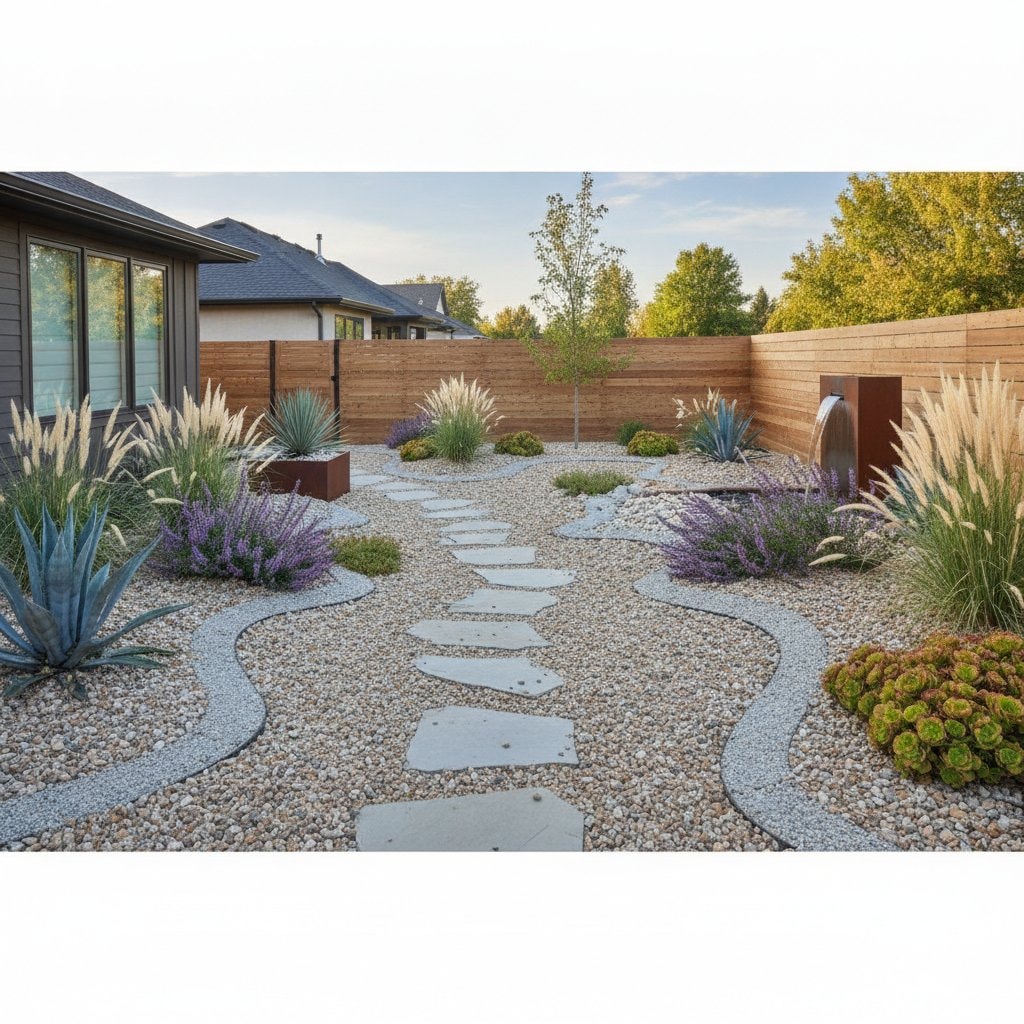
A gravel garden uses a layer of small pebbles or crushed stone in place of lawn or exposed soil. It features drought-tolerant plants such as lavender, sedum, and ornamental grasses that prefer well-drained conditions. The gravel layer helps retain moisture and limits weed growth.
This differs from a rock garden, which relies on larger stones and alpine species. The smaller gravel creates a uniform surface that remains open and uncluttered. Such gardens adapt to varied climates and soil conditions.
Evaluate Your Yard First
Observe sunlight patterns, drainage after rain, and areas that prove difficult to mow. These details guide placement of the new garden. Poor soil or slopes become advantages because gravel promotes drainage and reduces erosion.
Begin with one manageable section, such as a walkway border or a bare patch. Success in that area supports gradual expansion. No full-yard overhaul is necessary at the start.
Build a Practical Design
Outline zones for paths, plantings, and seating with a hose or rope. Choose gravel color to match surrounding features. Pale tones brighten shade while darker shades add contrast.
Select plants suited to dry conditions, including thyme, yarrow, euphorbia, and agave. Group them in clusters with space for gravel between. This layout keeps the surface visible and maintenance low.
Install the Garden Correctly
Remove existing grass and weeds before adding a weed-suppressing fabric or cardboard layer. Spread several inches of gravel over the barrier. Use edging stones or metal strips along borders to contain the material.
Rake the gravel evenly without burying plants. Water lightly after placement to settle the soil. Further watering becomes rare except during extended dry spells.
Maintain the Garden With Minimal Effort
Gravel gardens eliminate mowing, fertilizing, and patching. Routine care stays simple and infrequent.
- Remove small weeds as soon as they appear.
- Rake the surface every few weeks to keep it level.
- Add fresh gravel occasionally to restore coverage.
- Trim plants lightly after flowering.
These tasks require far less time than lawn care.
Enjoy the Calm Atmosphere
Muted stone tones and moving grasses create a grounded feeling. Light shifts across the gravel throughout the day. Footsteps on the surface add a subtle sound that encourages slower movement.
The garden evolves with seasonal plant changes and minor additions such as benches or planters. Initial effort yields years of reliable performance.
Observe Long-Term Results
Established gravel gardens reward consistent choices with enduring appeal. The approach reduces regular labor while supporting attractive outdoor space year after year.