2026's Hottest Trend: Low-Maintenance Meadow Lawns
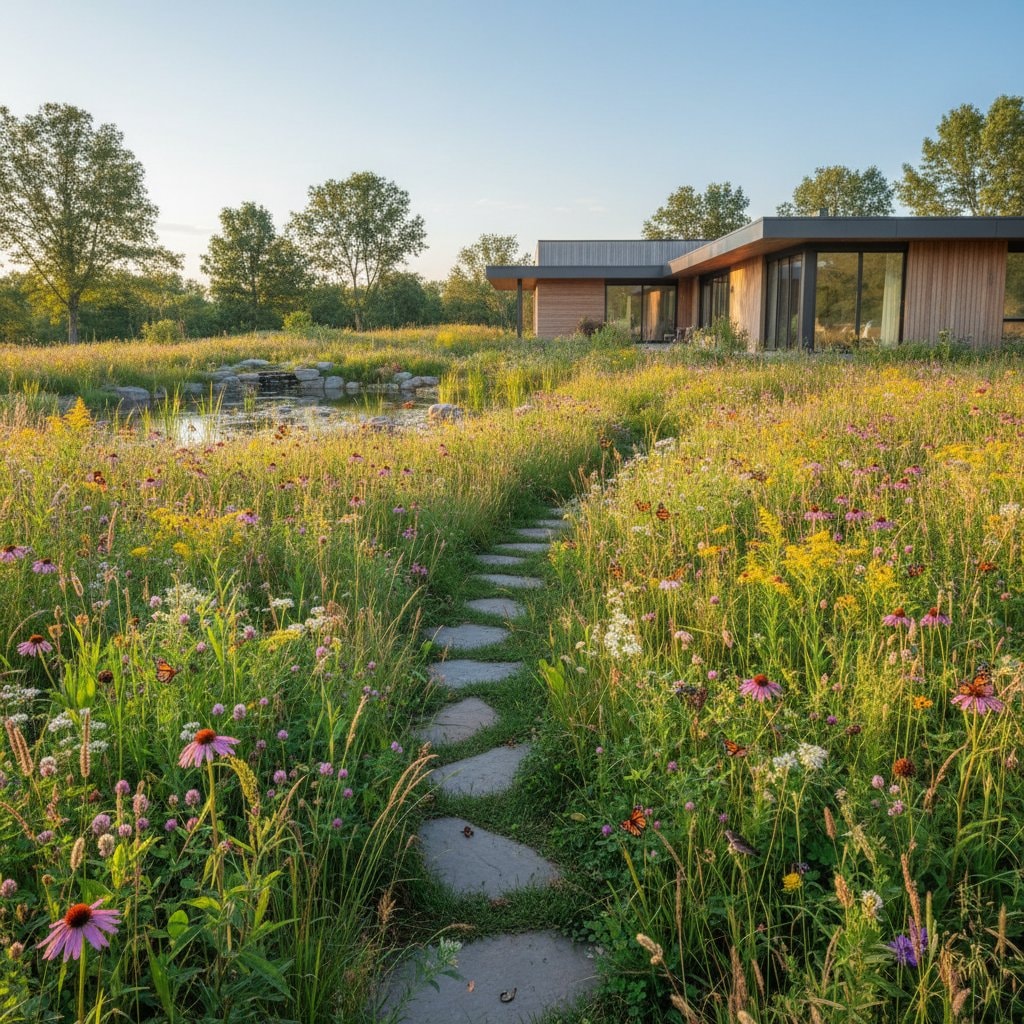
Picture a backyard where tall grasses sway in the breeze alongside bursts of wildflowers, drawing in bees and birds without the constant demand of mowing. This scene captures the essence of meadow lawns, which homeowners increasingly adopt for their relaxed vitality. Unlike rigid turf, these landscapes foster a sense of connection to nature right at home.
The Shift from Perfection to Presence
Traditional lawns prioritize uniformity, requiring frequent cuts, heavy watering, and chemical treatments to maintain their pristine appearance. Meadow lawns embrace natural variation, incorporating native grasses like buffalograss and wildflowers such as black-eyed Susan. This approach cuts maintenance time by up to 80 percent while promoting soil health through deep root systems.
Homeowners benefit from reduced water use, as these mixes thrive on rainfall alone in many regions. They also boost local ecosystems by providing nectar for pollinators and shelter for beneficial insects. The outcome is a yard that evolves with the seasons, offering visual interest without the effort of perfection.
What Defines a Meadow Lawn
A meadow lawn combines the playability of grass with the diversity of a wild patch, using species tolerant of moderate foot traffic. Key elements include fine fescues for soft texture, clovers for nitrogen fixation, and perennials like coneflower for color. The design aims for balance, ensuring the space remains accessible yet untamed.
Successful meadow lawns share these characteristics:
- Diverse planting mix. Integrate 60 percent grasses with 40 percent flowers to maintain resilience and year-round appeal.
- Low input needs. Established areas need irrigation only during extreme droughts and no routine fertilizers.
- Soft structure. Plants bend gracefully, creating a soothing, flowing aesthetic that enhances outdoor tranquility.
- Seasonal beauty. Spring brings lush greens, summer adds floral pops, and fall delivers seed-head textures for ongoing visual variety.
Planning and Preparation
Converting an existing lawn starts with soil assessment; test pH levels to ensure they fall between 6.0 and 7.0 for optimal growth. To eliminate old turf, layer newspaper topped with four inches of compost, or apply a natural herbicide followed by solarization under clear plastic for six weeks.
Select a seed mix tailored to your USDA hardiness zone, such as a blend with little bluestem for Midwest climates or California fescue for coastal areas. Aim for 5 to 10 pounds of seed per 1,000 square feet. Broadcast seeds in fall or early spring, then roll lightly for soil contact and water consistently for two weeks to encourage sprouting.
Initial growth may appear patchy, but roots deepen over the first season. Monitor for invasives and hand-pull as needed to support establishment.
Nurturing a New Landscape
In the debut year, focus on building strength rather than aesthetics. Mow to 4 inches high three times during the growing season to control weeds without stressing new plants. Introduce beneficial nematodes if grubs appear, avoiding synthetic pesticides to preserve pollinators.
By year two, annual maintenance simplifies to one late-winter mow at 3 inches to stimulate fresh growth. Divide overcrowded perennials every three years to sustain density. Over time, the meadow self-regulates, with grasses outcompeting weeds and flowers reseeding naturally.
Balancing Wildness and Design
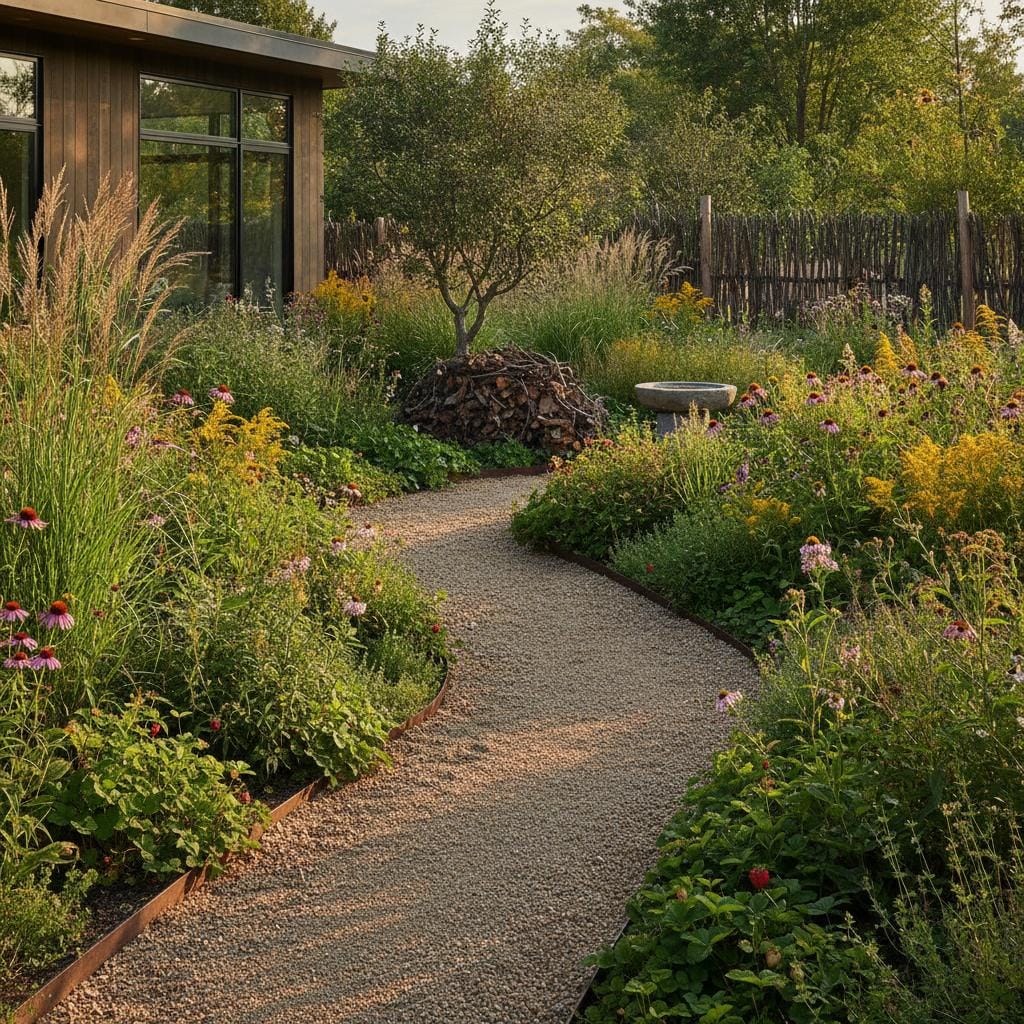
To prevent a unkempt look, install mowed borders or gravel paths that guide the eye through the space. Group taller plants like switchgrass at the back, reserving lower growers such as creeping thyme for front edges. Incorporate color themes, like blues and purples from salvia, to harmonize with your home's palette.
Scale the design to your needs; a 10-by-10-foot starter patch allows experimentation before expansion. These elements ensure the meadow integrates seamlessly, enhancing curb appeal while maintaining its wild charm.
Living with Your Meadow
A mature meadow lawn shifts daily routines, replacing mower noise with rustling leaves and bird calls. It serves as a safe play area for children, with soft grasses cushioning falls, and a serene spot for relaxation amid fluttering butterflies.
Ecological rewards accumulate, from improved air quality via carbon sequestration to decreased runoff through better water absorption. This living tapestry not only simplifies life but also deepens appreciation for nature's cycles.
Steps to Create Your Meadow Lawn
Begin by mapping your yard's sun exposure and traffic patterns to site the meadow appropriately. Source seeds from reputable suppliers emphasizing native varieties. After planting, track progress with a journal noting bloom times and adjustments.
Expand gradually, perhaps adding rain gardens nearby for complementary water management. With each step, your landscape gains resilience and beauty, proving that sustainable choices yield enduring satisfaction.